What are good art gifts for kids?
Short answer
The best art gifts for kids balance creative freedom with age-appropriate skill development. High-quality materials like heavy-weight paper, vibrant oil pastels, and washable tempera paints encourage exploration. Focus on open-ended kits that prioritize the process of making art over achieving a specific result, ensuring children remain engaged and inspired for hours.
On this page
What are the best art supplies for toddlers?
For children aged two to four, the focus should be on sensory exploration and developing fine motor skills. At this stage, children are learning how to manipulate tools and understand the relationship between their movements and the marks left on a surface. Because toddlers often put objects in their mouths, safety is the primary concern. Always look for labels indicating that materials are non-toxic and washable, which significantly reduces the stress of cleanup for parents.
The most effective gifts for this age group include large-diameter crayons, finger paints, and chunky brushes that are easy to grip. Large rolls of butcher paper or oversized sketchbooks provide ample space for expansive movements, which are more natural for young children than working within small boundaries. Avoid intricate kits or supplies with small parts that pose a choking hazard. Instead, prioritize items that allow for messy, tactile play.
- Large, ergonomic beeswax crayons that do not break easily.
- Washable finger paints with thick, non-toxic consistency.
- Oversized paper pads or rolls for floor-based drawing.
- Chunky, short-handled brushes designed for small palms.
How to choose art kits for school-aged children
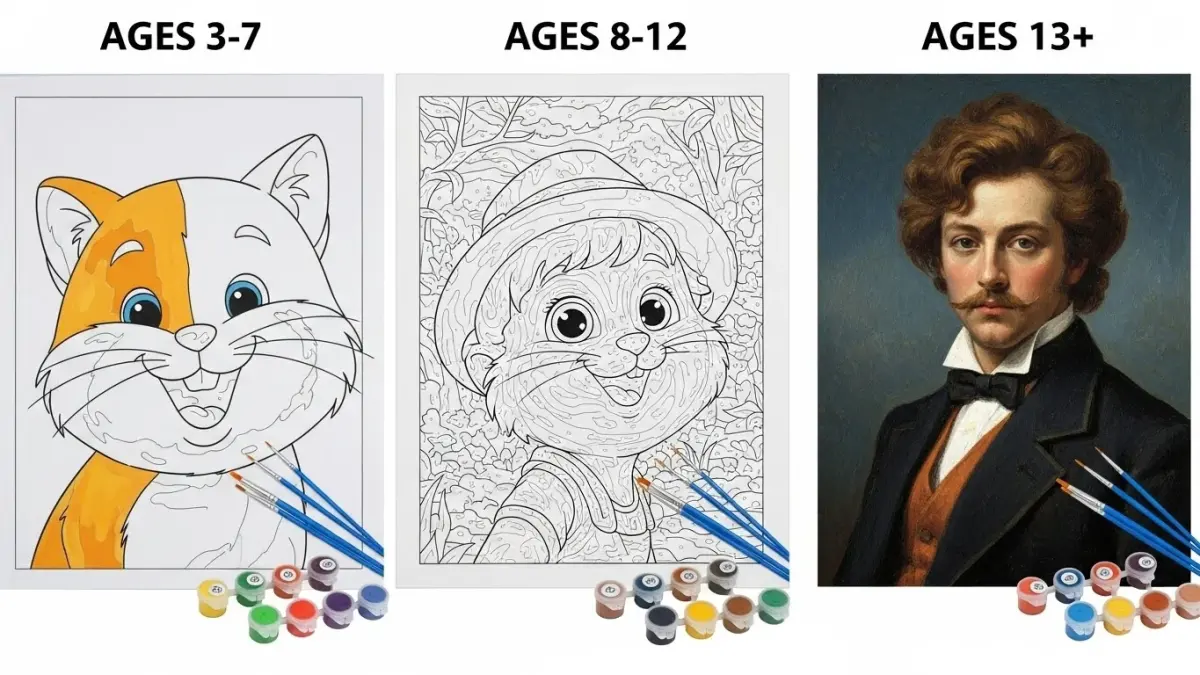
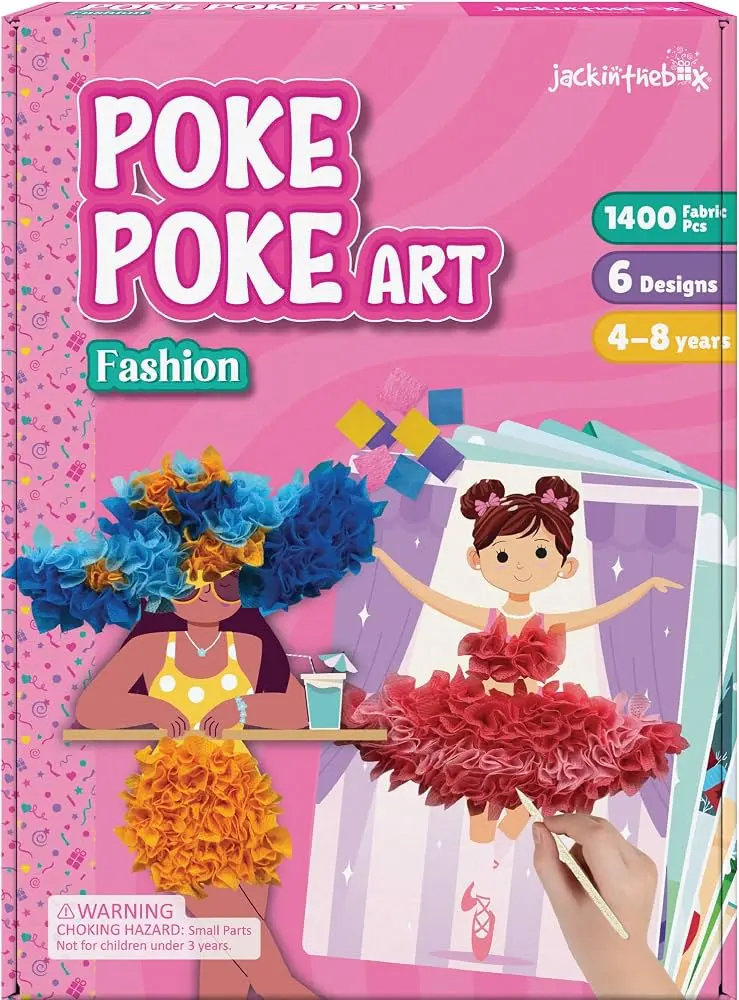
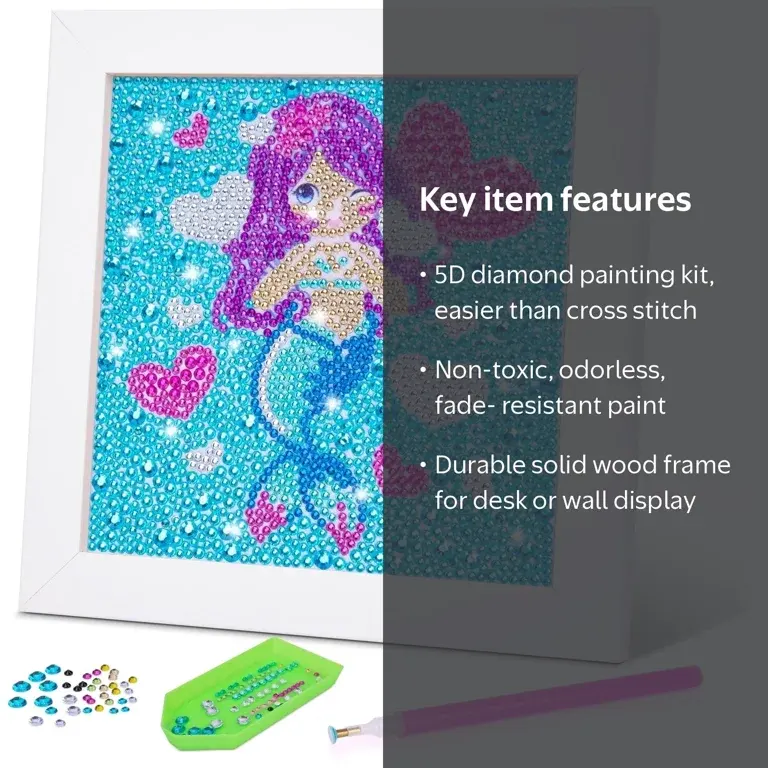
Children between the ages of five and ten are ready for more structured projects that require focus and technique. At this developmental stage, kids often enjoy kits that provide a clear goal, such as creating a specific sculpture, painting a canvas, or assembling a mosaic. These kits often include all necessary components, which makes them excellent for gift-giving. When selecting a kit, consider the child’s specific interests, such as animals, space, or nature, to ensure the project remains engaging.
Look for kits that offer a balance of instruction and creative leeway. A high-quality kit should provide enough materials to experiment beyond the initial project instructions. For example, a clay modeling set should include enough sculpting tools and colors to allow the child to create their own original figures after finishing the guided examples. Avoid kits with cheap, flimsy components that break during the assembly process, as this often leads to frustration rather than creative satisfaction.
- Select a kit that matches the child's current fine motor abilities.
- Check that all necessary tools, such as glue or brushes, are included.
- Read reviews to ensure the instructions are clear and age-appropriate.
- Provide a dedicated workspace to keep the project organized.
Why high-quality paper and canvas matter
Many gift-givers make the mistake of focusing solely on the paints or markers while neglecting the surface upon which the art is created. Using thin, low-quality printer paper can lead to tearing, bleeding, and overall disappointment when a child’s work ruins the page. Investing in heavier, acid-free paper or pre-primed canvases changes the entire experience. These surfaces can handle multiple layers of paint, heavy marker application, and various mixed-media techniques without warping or disintegrating.
When a child uses professional-grade surfaces, they learn to respect their work and take their creative process more seriously. A sketchbook with thick, textured paper is an excellent gift for a budding artist who wants to experiment with watercolors or ink. Similarly, a set of small, stretched canvases can make a child feel like a professional painter. This shift in quality often encourages children to spend more time on their projects, as they see the aesthetic value of their work increase.
Common mistakes when buying art gifts
One of the most frequent errors is purchasing overly complex sets that require parental intervention for every step. If a child cannot use the materials independently, they may lose interest quickly. Avoid sets that rely heavily on proprietary parts that cannot be replaced once they run out. If a bead-making kit requires specific, hard-to-find string, the gift becomes useless the moment the supplies are depleted. Always opt for "open" supplies that can be replenished easily at any local craft store.
Another common mistake is ignoring the mess factor. While art is inherently messy, gifting a set of glitter glue or fine-point permanent markers without considering the environment can lead to conflict. Before gifting, consider if the child has a dedicated area for art. If not, include a plastic drop cloth or a portable art caddy with the gift. This proactive approach ensures that the child feels free to create without the constant fear of damaging furniture or flooring, which fosters a more positive creative experience.
How to encourage long-term creative habits
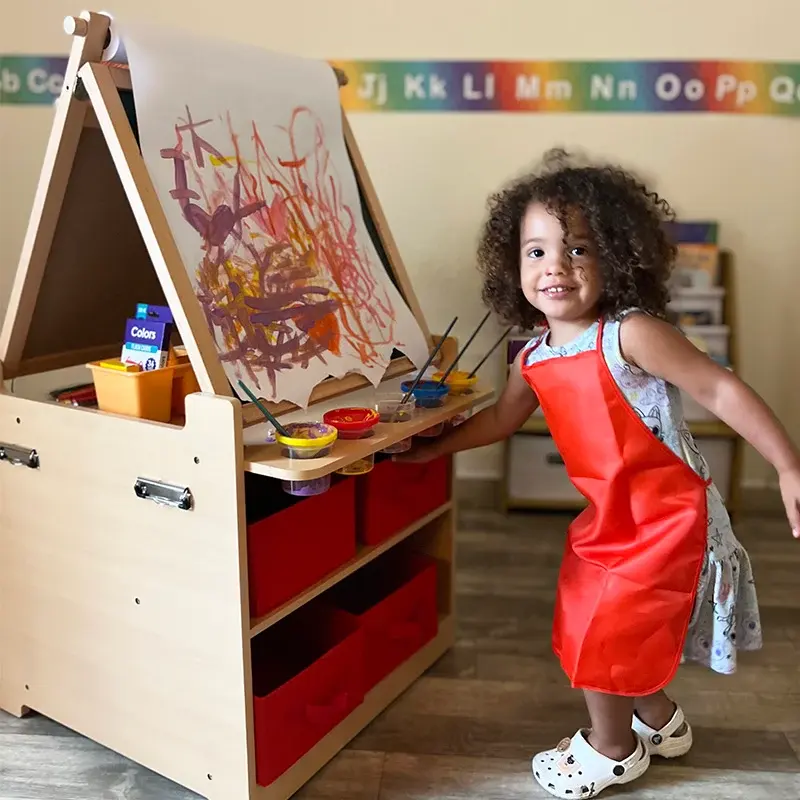
The best art gift is one that fosters a lifelong habit of expression rather than a one-time activity. To achieve this, consider building an "art station" rather than just providing a single box of supplies. This could include a wall-mounted paper roll, a magnetic board for displaying finished work, or a dedicated drawer filled with various recycled materials like cardboard, fabric scraps, and buttons. By treating art as a daily activity, you validate the child's creative efforts and encourage them to view themselves as artists.
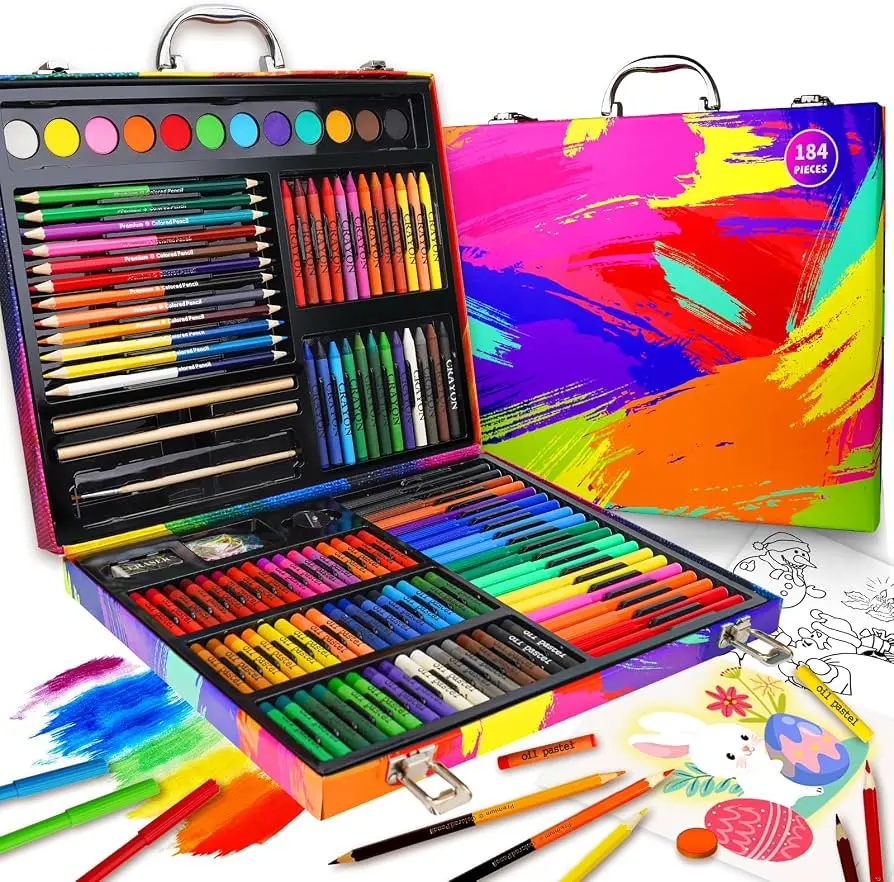
Periodically updating these supplies keeps the interest alive. You might gift a set of specialized markers for a birthday and follow up with a set of oil pastels or watercolor pencils for a holiday. This gradual introduction of new mediums prevents boredom and allows the child to discover which artistic tools they prefer. By providing the space and the resources, you empower the child to take ownership of their creative journey and develop their unique artistic voice over time.
Key facts
- Choose "washable" markers and paints to ensure easy cleanup from skin, clothing, and household surfaces.
- Prioritize heavy-weight paper, typically 80-pound or higher, to prevent bleeding and tearing when children use wet media.
- Invest in a set of 12 to 24 high-quality colored pencils rather than large, low-pigment sets that break easily.
- Select non-toxic, AP-certified materials to ensure safety for children who may accidentally ingest small amounts of art supplies.
- Organize supplies in clear, labeled bins to encourage independence and help children learn to maintain their creative space.
- Avoid buying "all-in-one" craft kits that contain low-quality glue or flimsy tools, as these often lead to frustration.
The bottom line
When selecting art gifts for children, prioritize quality over quantity to foster genuine creative growth. Focus on durable, non-toxic, and age-appropriate tools that encourage exploration rather than disposable craft kits. By providing a well-organized space and reliable materials, you empower children to develop their artistic skills with confidence. Ultimately, the best gift is one that minimizes frustration and allows the child's imagination to take center stage.
People also ask
What is the best age to introduce professional-grade art supplies?
Children typically benefit from higher-quality materials like kneaded erasers or soft-core pencils around age 7 or 8. At this stage, they have developed the fine motor control necessary to appreciate the difference in texture and color saturation.
Should I buy oil-based or water-based art supplies for a toddler?
Always choose water-based supplies for younger children to ensure safety and easy cleanup. Oil-based products often require harsh solvents like turpentine for cleaning, which are hazardous for children to inhale or touch.
How can I store art supplies to make them last longer?
Store markers horizontally to keep the tips moist and prevent ink from pooling at one end. Keep paints in airtight containers away from direct sunlight to prevent drying or pigment separation.
Are digital drawing tablets good gifts for kids?
Digital tablets are excellent for older children interested in graphic design or animation. Ensure the software is age-appropriate and consider a pressure-sensitive stylus to mimic the tactile experience of traditional drawing.
What are the essential basics for a beginner art kit?
A starter kit should include a sketchbook, a set of graphite pencils ranging from 2B to 6B, a white vinyl eraser, and a set of watercolor paints. These items provide a versatile foundation for drawing and painting techniques.
How do I prevent kids from wasting expensive art paper?
Provide a dedicated "scrap bin" for practice, sketching, and testing colors before they use the high-quality paper. This teaches children to value their materials and plan their compositions more thoughtfully.
This answer was created with the help of AI research tools and reference sources. Spotted an error? Let us know — we correct mistakes quickly. See our editorial policy.