How much does a tattoo cost?
Short answer
Tattoos typically cost between $100 and $300 per hour, with many artists enforcing a shop minimum of $50 to $150. Small, simple designs often range from $100 to $250, while large, intricate custom pieces can cost thousands of dollars, depending on the artist’s experience, geographic location, and the complexity of the work.
On this page
How much do tattoos cost on average?
The cost of a tattoo is rarely a flat fee because professional artists charge based on time, skill, and overhead. While a small, flash-art tattoo might take less than an hour, a full sleeve or a complex back piece requires multiple sessions spanning many hours. You should expect to pay a premium for artists who have built a strong reputation for specific styles, such as realism or traditional Japanese tattooing.
Most reputable studios operate with a shop minimum, which covers the cost of sterile, single-use supplies like needles, ink, and gloves. Even if your design takes only ten minutes, you will still pay this baseline fee. Before committing, ask for a rough estimate based on your design’s size and placement. Always factor in the following variables that influence the final price:
- The artist’s hourly rate based on their expertise.
- The complexity and level of detail required for the design.
- The size of the tattoo and the specific area of the body being inked.
- The number of sessions needed to complete the artwork.
How to prepare for a tattoo appointment
Preparation is essential to ensure the process goes smoothly and the artist can work efficiently. Being well-rested and hydrated allows your skin to take ink more effectively and helps you manage the physical discomfort of the procedure. Avoid alcohol or blood-thinning medications for at least 24 hours before your session, as these can increase bleeding and make the tattooing process more difficult for the artist.
Eat a substantial meal before your appointment to keep your blood sugar stable, which prevents lightheadedness. Wear loose-fitting clothing that allows the artist easy access to the area being tattooed without being restrictive. If you are getting a long session, bring water and a sugary snack to keep your energy levels up. Follow these steps to ensure you are ready:
- Shower and clean the area to be tattooed thoroughly.
- Shave the area only if the artist instructs you to do so.
- Bring a valid government-issued photo ID to verify your age.
- Communicate any medical conditions or allergies to your artist beforehand.
Best ways to find a reputable tattoo artist
Finding the right artist is more important than finding the cheapest one. Start by browsing portfolios on social media platforms like Instagram, which serve as digital galleries for most modern tattooists. Look for artists who specialize in the specific style you want, whether it is fine-line, black and grey, or vibrant color work. Pay close attention to healed photos of their work, as fresh tattoos can look deceptively perfect.
Once you identify a few candidates, visit their studios to assess the cleanliness and professionalism of the environment. A high-quality shop should be as sterile as a medical office, with clear protocols for equipment sterilization. Read reviews from previous clients to gauge the artist's bedside manner and reliability. Avoid artists who refuse to show you their portfolio or who pressure you into making a decision before you are ready.
Common mistakes when getting a tattoo
One of the most frequent errors is choosing a design based solely on price. A cheap tattoo is often a reflection of an inexperienced artist or poor sanitary practices, which can lead to scarring, infection, or a design that fades poorly over time. Remember that tattoos are permanent, and paying for quality craftsmanship is an investment in your own body.
Another common mistake is neglecting aftercare instructions provided by your artist. Improper cleaning or exposure to sunlight during the healing phase can cause ink to drop out or lead to significant skin irritation. Do not pick at scabs or submerge your new tattoo in water, such as swimming pools or hot tubs, until it is fully healed. Follow these guidelines to avoid common pitfalls:
- Do not let friends or family touch your fresh tattoo.
- Avoid tight clothing that rubs against the healing skin.
- Never use heavy lotions or petroleum-based products unless specifically recommended by your artist.
- Do not skip your follow-up appointments if the artist requests a touch-up session.
Why do tattoo prices vary so much?
Pricing discrepancies between artists are largely driven by demand and experience. An apprentice may charge a lower hourly rate to build their portfolio, while a world-renowned artist can command significantly higher fees due to their unique artistic vision and technical mastery. Geography also plays a role, as studios in major urban centers face higher rent and operating costs compared to those in smaller towns.
Additionally, custom designs require hours of preparation, including sketching, stencil creation, and color theory planning, which are often factored into the total price. When you pay for a custom tattoo, you are paying for the artist's creative time, not just the time spent with the needle in their hand. Understanding that you are paying for professional expertise and safety will help you appreciate the value of a well-executed piece of permanent art.
Key facts
- Most professional tattoo artists charge an hourly rate ranging from $100 to $300 depending on their experience and location.
- Many shops implement a "shop minimum," typically between $50 and $100, to cover the cost of sterile equipment setup for even the smallest designs.
- Large, complex pieces requiring multiple sessions will cost significantly more, often totaling several thousand dollars.
- Tipping your artist is standard industry practice, with 15% to 20% of the total cost considered the appropriate gratuity.
- Avoid choosing an artist based solely on price; cheap tattoos often indicate poor hygiene standards or a lack of technical skill.
- Always get a firm price quote or an estimated hour range during your consultation to avoid unexpected financial surprises.
The bottom line
Tattoo pricing is primarily driven by the artist’s skill level, the complexity of the design, and the time required to complete the work. While it is tempting to look for the lowest price, prioritize hygiene and artistic quality to ensure a safe, lasting result. Always budget for a tip, confirm payment methods in advance, and communicate clearly with your artist to manage your expectations.
People also ask
Do I need to pay a deposit before my appointment?
Yes, most reputable artists require a non-refundable deposit to secure your time slot. This fee is usually deducted from the final price of the tattoo once the work is completed.
Does the placement of the tattoo affect the price?
Generally, the price is determined by the time and complexity of the design rather than the body part. However, difficult areas like the ribs or feet may take longer to tattoo due to skin sensitivity, which could increase the total hours billed.
Are color tattoos more expensive than black and grey ones?
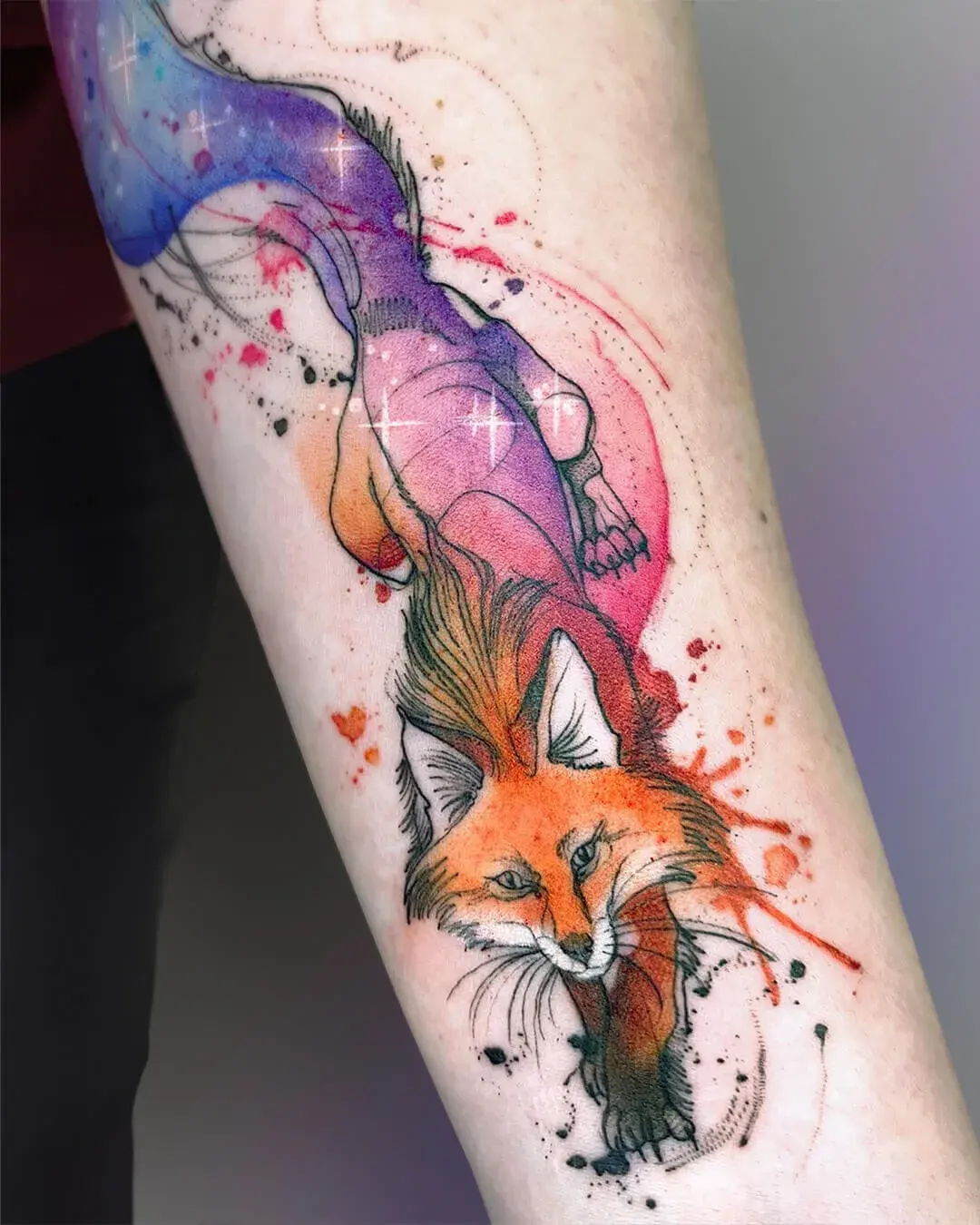
Color tattoos often cost more because they require more time, specialized ink, and multiple layering techniques to achieve saturation. Black and grey shading is often faster to execute, though highly detailed realism can be just as time-consuming.
Can I negotiate the price of a tattoo?
It is considered unprofessional to haggle over an artist's rates. If a tattoo is out of your budget, ask the artist if they can simplify the design to reduce the time required.
Should I bring cash to pay for my tattoo?
Many tattoo studios operate as cash-only businesses to avoid high credit card processing fees. Always confirm the payment policy with your shop before arriving for your appointment.
Does the shop location change the cost of a tattoo?
Yes, artists in major metropolitan areas or high-end studios typically charge higher hourly rates due to increased rent and overhead costs. You will likely pay more in a city center than in a rural or suburban area.
This answer was created with the help of AI research tools and reference sources. Spotted an error? Let us know — we correct mistakes quickly. See our editorial policy.