Who invented the record player?
Short answer
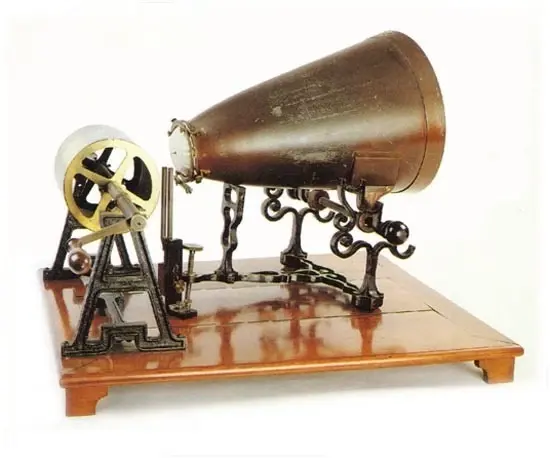
Thomas Edison invented the first device capable of recording and reproducing sound, the phonograph, in 1877. Later, in 1887, Emile Berliner improved upon this technology by inventing the gramophone, which used flat discs instead of cylinders. These two innovators are collectively responsible for the development of the modern record player.
On this page
Who actually invented the record player?
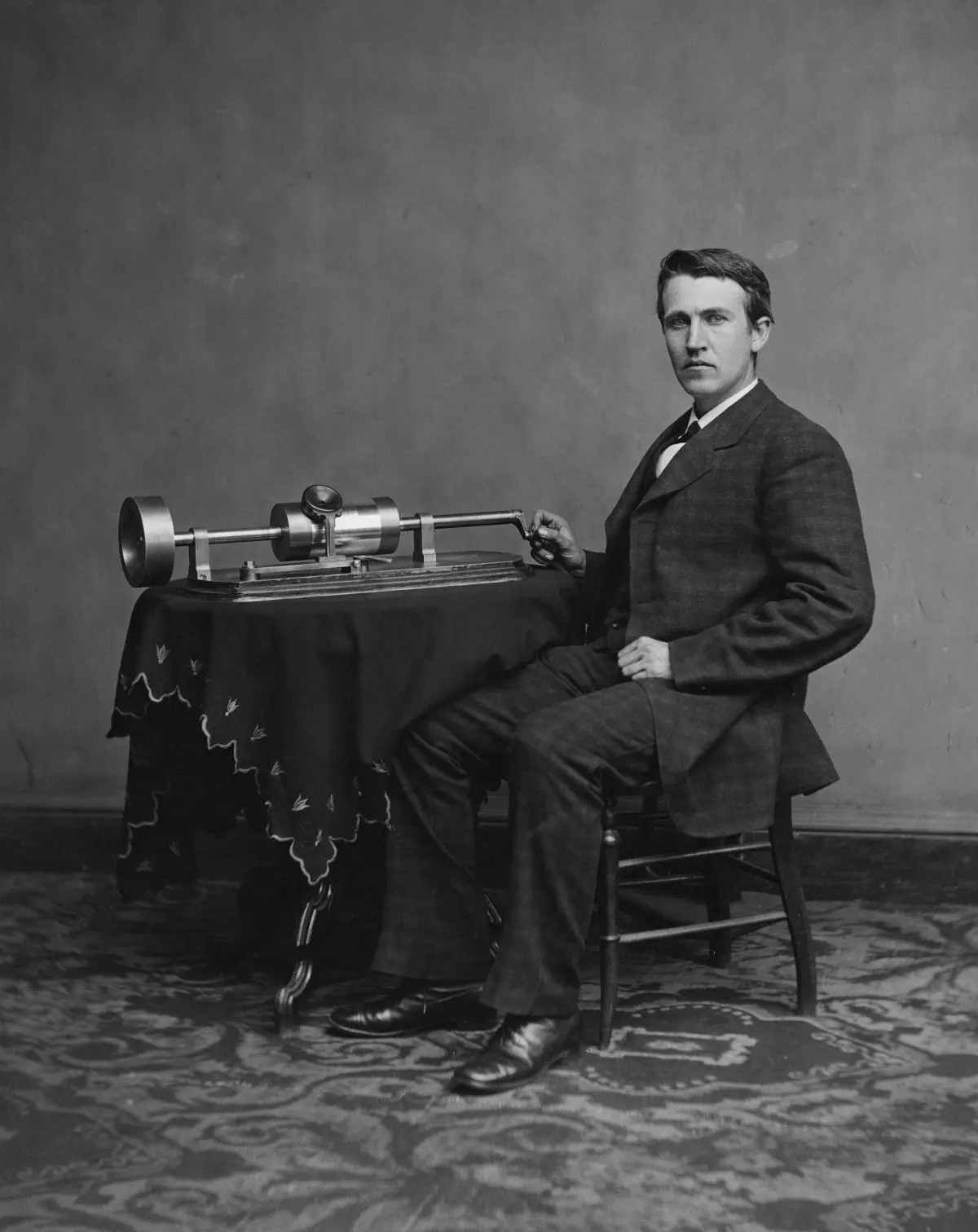
The invention of the record player was not the work of a single person but rather a progression of mechanical breakthroughs. Thomas Edison is widely credited with the first successful sound recording device, the phonograph, which he patented in 1877. His machine used a stylus to etch sound vibrations onto a rotating metal cylinder wrapped in tinfoil. While revolutionary, the cylinders were difficult to mass-produce and degraded quickly with repeated play.
A decade later, Emile Berliner introduced the gramophone, which shifted the industry toward the flat disc format. Unlike Edison’s cylinder, Berliner’s discs could be easily pressed from a master copy, allowing for commercial mass production. This innovation transformed recorded music from a scientific novelty into a consumer commodity. The term "record player" eventually became the common name for these devices as they evolved throughout the 20th century to incorporate electrical amplification and improved playback fidelity.
How does a record player work?
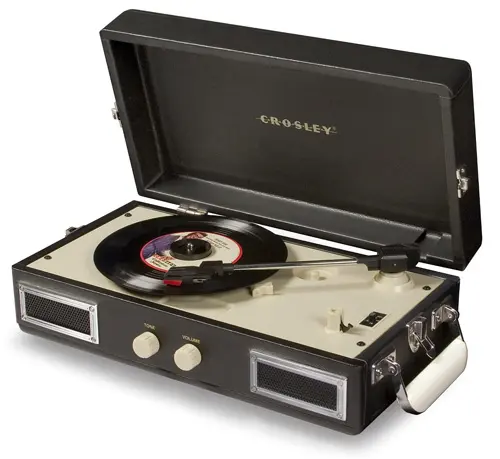
A record player functions through a process of mechanical transduction. As the record spins on a platter, a diamond-tipped needle, or stylus, tracks the microscopic grooves etched into the vinyl. These grooves contain physical undulations that correspond to the original sound waves. As the stylus moves along these paths, it vibrates, and these vibrations are converted into electrical signals by a cartridge.
These signals are then sent to an amplifier, which boosts the power of the audio before sending it to the speakers. The speakers convert the electrical energy back into physical sound waves that the human ear can perceive. To ensure the highest quality playback, the following components must be calibrated correctly:
- The stylus: Must be clean and free of dust to prevent damage to the record.
- The tonearm: Needs proper tracking force to stay in the groove without skipping.
- The platter: Must rotate at a consistent speed, typically 33 1/3 or 45 revolutions per minute.
- The preamp: Essential for boosting the low-level signal from the cartridge to a line-level output.
How to set up a record player for beginners
Setting up a record player requires patience and attention to detail to ensure optimal sound quality and to protect your vinyl collection. First, place your turntable on a flat, stable surface to avoid vibrations that can cause the needle to skip. Connect your turntable to an amplifier or a pair of powered speakers. If your turntable does not have a built-in preamplifier, you will need to purchase an external one to bridge the connection.
Follow these steps to ensure your system is ready for playback:
- Balance the tonearm so that it floats perfectly level above the platter.
- Set the tracking force according to the manufacturer’s specifications for your specific cartridge.
- Adjust the anti-skate dial to match your tracking force to prevent uneven wear on the record grooves.
- Clean your vinyl records with a carbon fiber brush before each play to remove static and debris.
Why do records sound different than digital audio?
Records produce an analog sound, which many enthusiasts argue provides a warmer, more authentic listening experience compared to digital formats. Because vinyl records store sound as a continuous physical wave, they do not suffer from the "sampling" process used in digital audio files. This continuous signal preserves the nuances of the original performance, capturing subtle harmonics that are sometimes lost during digital compression.
However, the analog nature of vinyl also makes it susceptible to environmental factors. Dust, scratches, and temperature changes can introduce surface noise such as pops and crackles. While digital audio offers a pristine, noise-free environment, many listeners prefer the tactile nature of vinyl and the specific sonic characteristics of analog playback. Understanding this difference helps listeners decide whether they prioritize the convenience of digital files or the immersive, hands-on experience of spinning a physical record.
Common mistakes when using a record player
Many new users inadvertently damage their records or equipment through simple maintenance oversights. One of the most common errors is failing to replace a worn-out stylus. A damaged or dull needle acts like a chisel, grinding away the delicate high-frequency information in the vinyl grooves. You should typically replace your stylus every 500 to 1,000 hours of playback to maintain audio fidelity and protect your records.
Another frequent mistake is improper storage of vinyl albums. Records should always be stored vertically, never horizontally, to prevent warping under their own weight. Furthermore, avoid touching the surface of the record with your fingers, as the natural oils from your skin can attract dust and grime. By following these basic maintenance practices, you can ensure that your records remain in excellent condition for decades, allowing you to enjoy the rich, historical sound that the inventors of the phonograph and gramophone first envisioned.
Key facts
- Thomas Edison invented the phonograph in 1877, which was the first device to record and reproduce sound.
- Emile Berliner patented the gramophone in 1887, shifting the industry from cylinders to flat discs.
- Eldridge Johnson founded the Victor Talking Machine Company, which popularized the "His Master's Voice" trademark.
- To maintain a turntable, always use a carbon fiber brush to remove dust from records before playing.
- Avoid touching the grooves of a vinyl record with your fingers, as natural oils attract dirt and cause surface noise.
- Replace your stylus (needle) every 500 to 1,000 hours of play to prevent permanent damage to your record collection.
The bottom line
The invention of the record player was a collaborative evolution rather than a single moment. While Thomas Edison pioneered sound recording with the cylinder-based phonograph, Emile Berliner’s transition to flat discs established the format we recognize today. By understanding the mechanics of stylus pressure and proper record maintenance, collectors can preserve the longevity of their music and enjoy the distinct sonic character of analog playback.
People also ask
What is the difference between a phonograph and a gramophone?
The phonograph used rotating cylinders to capture sound, while the gramophone used flat, circular discs. Discs became the industry standard because they were easier to mass-produce and store.
Why did vinyl records make a comeback in the 21st century?
Many listeners prefer the tactile experience and the warm, analog sound quality of vinyl over digital streaming. The resurgence has turned records into collectible physical artifacts rather than just utility items.
Can any record player play any size of record?
Most modern turntables support both 33 1/3 and 45 RPM speeds, which cover the vast majority of records. However, you must ensure your player has the correct spindle adapter for 45s and a compatible cartridge for 78 RPM discs.
How do you know if a record is damaged?
Visually inspect the surface for deep scratches or warping that causes the needle to skip. If the audio sounds distorted or crackly even after cleaning, the grooves may be permanently worn down.
Does the quality of the turntable affect the sound?
Yes, the precision of the motor, the weight of the tonearm, and the quality of the cartridge significantly impact audio fidelity. High-end equipment reduces vibration and tracks the groove more accurately than budget models.
How should I store my vinyl collection?
Always store records vertically in a cool, dry place to prevent warping. Never stack them flat, as the weight can cause the discs to bend or the grooves to become compressed over time.
This answer was created with the help of AI research tools and reference sources. Spotted an error? Let us know — we correct mistakes quickly. See our editorial policy.