What is the easiest way to draw a canoe paddle?
Short answer
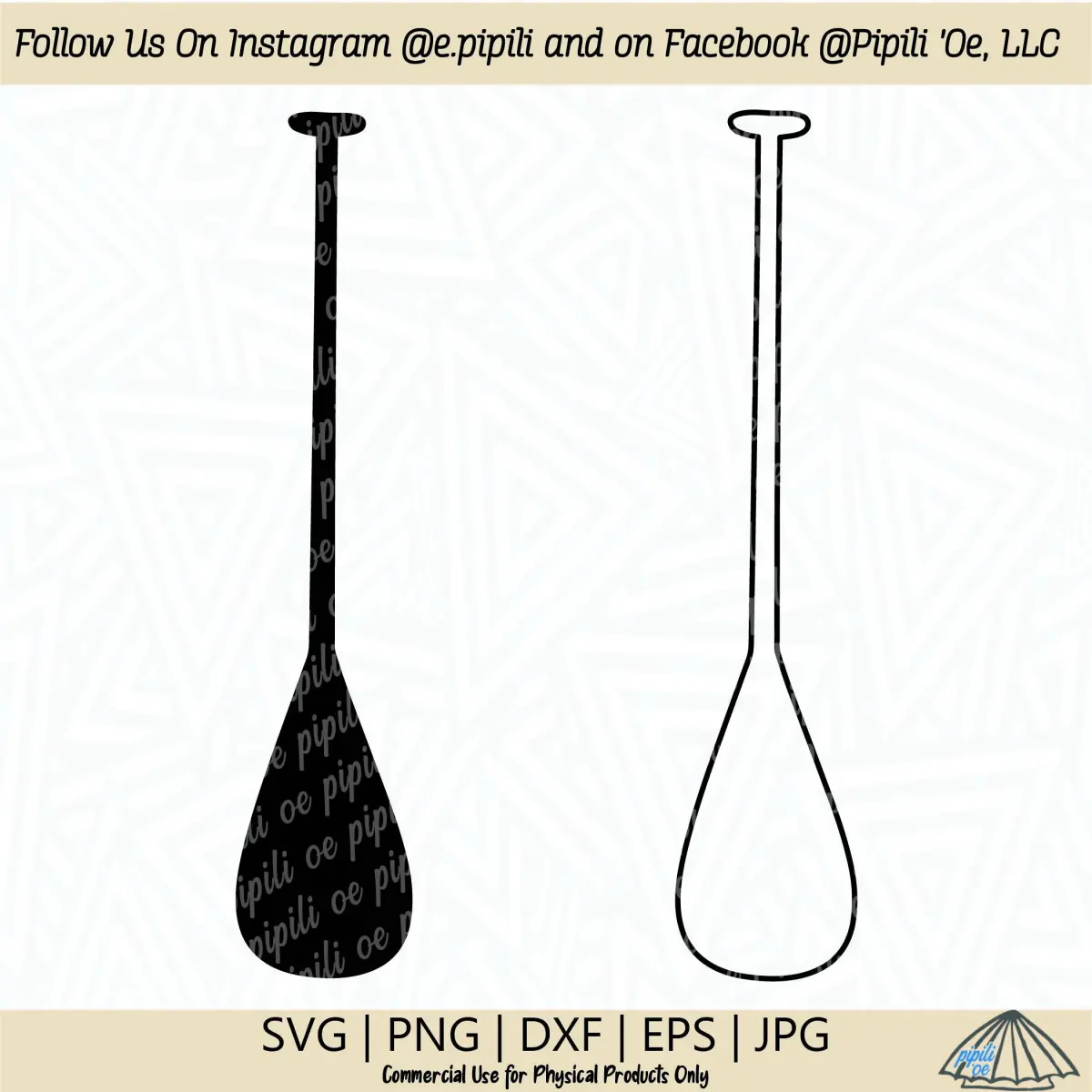
The easiest way to draw a canoe paddle is to construct it using three simple geometric shapes: a long rectangle for the shaft, a teardrop for the blade, and a T-shape for the grip. By sketching these as a single vertical axis, you create a balanced, proportional outline that is easy to refine.
On this page
How to sketch a canoe paddle step by step
To draw a canoe paddle accurately, begin by establishing a vertical centerline to serve as your guide for symmetry. A standard recreational paddle is typically 5 to 6 feet long, so keep your proportions consistent with this elongated shape. You can follow these steps to build the structure quickly:
- Draw a long, thin rectangle representing the shaft, which usually accounts for about two-thirds of the total length.
- Sketch a teardrop or elongated oval shape at the bottom of the shaft to form the blade, ensuring it is slightly wider than the handle.
- Add a small horizontal rectangle or a T-shaped cap at the top of the shaft to represent the grip, which allows for comfortable hand placement.
Once the basic framework is in place, use light pencil strokes to connect these shapes. You can then round off the sharp corners where the shaft meets the blade to create a smooth, functional transition. This geometric approach prevents the paddle from looking lopsided or structurally impossible.
What are the parts of a canoe paddle
Understanding the anatomy of a paddle helps you draw more realistic details. Every paddle consists of four distinct sections, each serving a specific purpose in the water. Recognizing these parts allows you to add depth and character to your drawing, moving beyond a simple stick-and-leaf shape.
- The Grip: The T-shaped handle at the very top that fits into the palm of the hand.
- The Shaft: The long, central pole that connects the grip to the blade, providing leverage.
- The Throat: The point where the shaft widens to meet the blade, often reinforced for durability.
- The Blade: The flat, wide bottom section that displaces water to propel the canoe forward.
When drawing, pay attention to the throat; it is rarely a straight line. Instead, it usually features a gentle curve as the wood or composite material flares out. Adding this subtle detail makes your drawing appear much more professional and technically accurate to anyone familiar with canoeing equipment.
How to add texture and detail to your drawing
Once the outline is complete, adding texture brings the paddle to life. If you are drawing a traditional wooden paddle, use light, wavy lines running parallel to the shaft to mimic the grain of the wood. You can also add small knots or variations in the shading to make the material look organic and authentic.
If you prefer a modern look, consider drawing a carbon-fiber or plastic paddle. These materials are often uniform in color and have a smooth, reflective surface. To represent this, use sharp, clean lines and leave a small white space on one side of the shaft to suggest a highlight or light reflection. These simple visual cues tell the viewer exactly what material the paddle is made of without requiring complex shading techniques.
Common mistakes when drawing a canoe paddle
The most frequent error is making the blade too small or too thin. A functional paddle blade must have enough surface area to push against the water effectively. If the blade is narrower than the shaft, the drawing will look unbalanced and non-functional. Always ensure the widest part of the blade is at least twice the width of the shaft.
Another common mistake is ignoring the perspective of the grip. Many beginners draw the T-grip as a flat, two-dimensional line, which makes the paddle look like a paper cutout. To fix this, draw the grip with a slight curve or thickness, suggesting that it is meant to be held by a human hand. By adding a small amount of volume to the grip, you provide a sense of scale and utility to the entire object.
Best tips for improving your paddle sketches
To master your drawing, practice varying the paddle's orientation. Instead of drawing it perfectly vertical, try tilting it at an angle or showing it mid-stroke. This adds a sense of motion and action to your work. You can also experiment with different blade shapes, such as the classic beaver-tail design, which is more rounded, or the otter-tail, which is long and slender.
- Use a soft graphite pencil for initial sketching so you can easily erase guidelines.
- Keep your lines fluid; a paddle is a tool designed for smooth movement, so avoid jagged or overly rigid strokes.
- Study photographs of real paddles to see how light hits the curved surfaces of the blade.
- Practice drawing the paddle held by a hand to improve your understanding of the scale between the human body and the tool.
By focusing on these nuances, you will transform a simple geometric exercise into a sophisticated illustration. Consistent practice with these proportions will eventually allow you to draw paddles from memory with ease and confidence.
Key facts
- A standard canoe paddle consists of three main parts: the grip, the shaft, and the blade.
- The blade is typically shaped like a teardrop or a beaver tail to maximize water displacement.
- Start your drawing by sketching a long, thin vertical rectangle to serve as the central shaft.
- Draw a T-shape or a small oval at the top of the shaft to represent the handle grip.
- The blade should be drawn as an elongated oval or spade shape extending from the bottom of the shaft.
- Maintain symmetry by drawing a faint vertical center line through the entire paddle before adding the outer edges.
The bottom line
Drawing a canoe paddle is best approached by breaking the object into three distinct geometric forms: a long vertical shaft, a top grip, and a wide blade. By establishing a center line first, you ensure the symmetry necessary for a realistic look. Focus on keeping the shaft slender and the blade balanced, as these proportions define the paddle's utility and visual appeal in any artistic context.
People also ask
Should a canoe paddle be drawn perfectly straight?
While the shaft is straight, the blade often has a slight curve or "bend" depending on the paddle style. For a basic drawing, a straight, symmetrical blade is the most accurate representation of a standard recreational paddle.
How long should the shaft be compared to the blade?
In a realistic paddle, the shaft is significantly longer than the blade. Aim for the shaft to be roughly two to three times the length of the blade for proper proportions.
What is the purpose of the T-grip at the top?
The T-grip provides the paddler with better leverage and control over the blade's angle in the water. Including this detail makes your drawing look more functional and authentic.
Can I draw a paddle with a rounded tip?
Yes, many paddles feature a rounded or slightly pointed tip to prevent the wood from splintering against rocks. A rounded tip is often easier to draw than a sharp, angular one.
What common mistake should I avoid when drawing the shaft?
Avoid drawing the shaft too thick, as this makes the paddle look heavy and clumsy. Keep the lines parallel and close together to suggest a lightweight, aerodynamic design.
Is it necessary to add grain lines to the drawing?
Adding a few subtle, wavy vertical lines along the shaft and blade can suggest a wooden construction. This simple detail adds texture and realism without requiring complex shading.
This answer was created with the help of AI research tools and reference sources. Spotted an error? Let us know — we correct mistakes quickly. See our editorial policy.