What is kitsch?
Short answer
Kitsch refers to art, objects, or design considered to be in poor taste because of excessive sentimentality, garishness, or shallow imitation. It often relies on mass production and conventional tropes to evoke an immediate, uncritical emotional response. While once strictly pejorative, kitsch is now frequently viewed as a campy or ironic aesthetic.
On this page
What is the definition of kitsch?
The term originated in the German art markets of Munich during the 1860s and 1870s to describe cheap, popular pictures and sketches that were sold to tourists. It is derived from the German verb verkitschen, meaning to cheapen. Historically, critics like Clement Greenberg argued that kitsch was the antithesis of "high art" or "avant-garde" culture, as it required no intellectual effort from the viewer. It provides a pre-digested experience, offering the appearance of beauty or profound emotion without the actual substance of artistic innovation or genuine struggle.
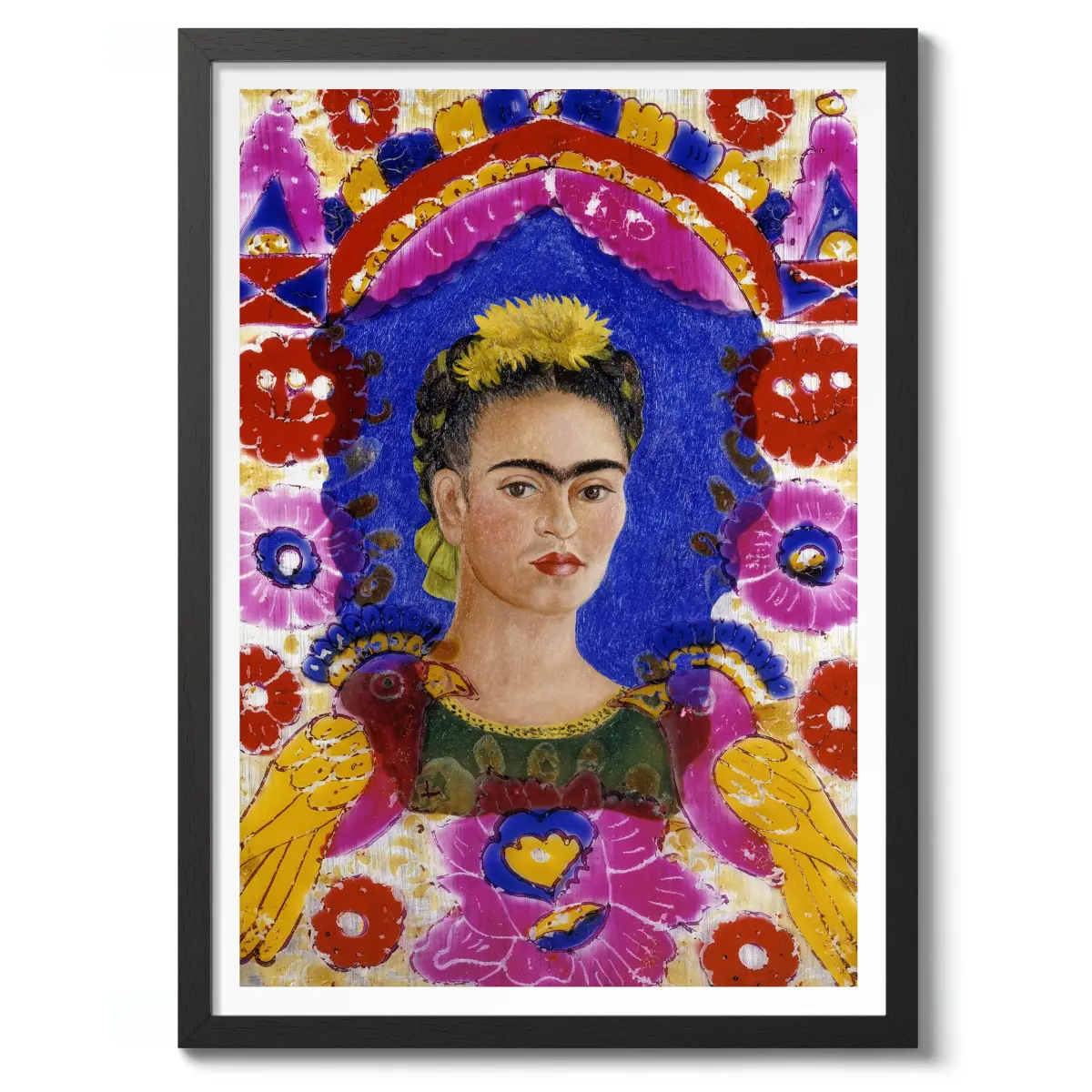
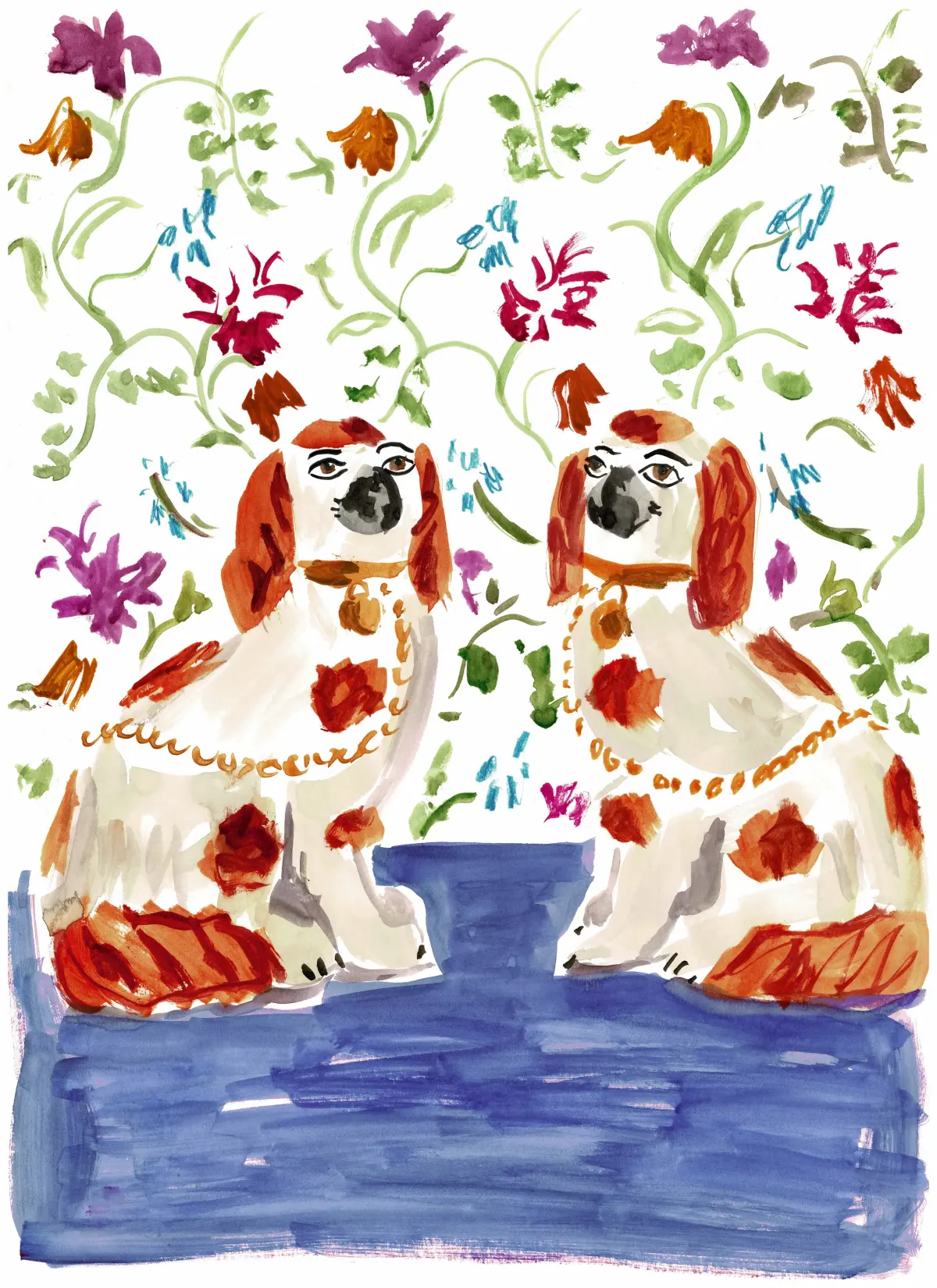
In modern usage, kitsch encompasses a wide range of items that prioritize mass appeal over originality. This includes items like velvet paintings, plastic garden ornaments, porcelain figurines, and neon-lit religious icons. These objects are designed to be easily understood and consumed by the widest possible audience. Because they rely on familiar, sentimental imagery, they often evoke feelings of nostalgia or comfort, which is why they remain highly popular despite their frequent dismissal by the academic art world.
Why does kitsch happen?
Kitsch emerges primarily as a byproduct of industrialization and the rise of a middle class with disposable income. As manufacturing processes became more efficient in the 19th and 20th centuries, it became possible to mass-produce decorative items that mimicked the style of expensive, handcrafted goods. This democratization of aesthetics allowed people who could not afford original oil paintings or fine sculpture to decorate their homes with affordable, aesthetically similar alternatives. The focus shifted from the artist's unique vision to the consumer's desire for status and domestic beauty.
Furthermore, kitsch serves a psychological function by providing a sense of familiarity and security. By recycling established symbols—such as a crying child, a sunset, or a patriotic motif—kitsch bypasses the need for critical interpretation. It offers a shortcut to emotion, which is why it is frequently found in souvenir shops, holiday decorations, and commercial advertising. The following factors contribute to the proliferation of kitsch in contemporary society:
- The desire for affordable home decor that mimics luxury styles.
- The psychological comfort found in repetitive, nostalgic imagery.
- The influence of global tourism, which drives the demand for standardized cultural tokens.
- The ease of digital reproduction, which allows kitsch motifs to spread rapidly online.
How to identify kitsch in art and design
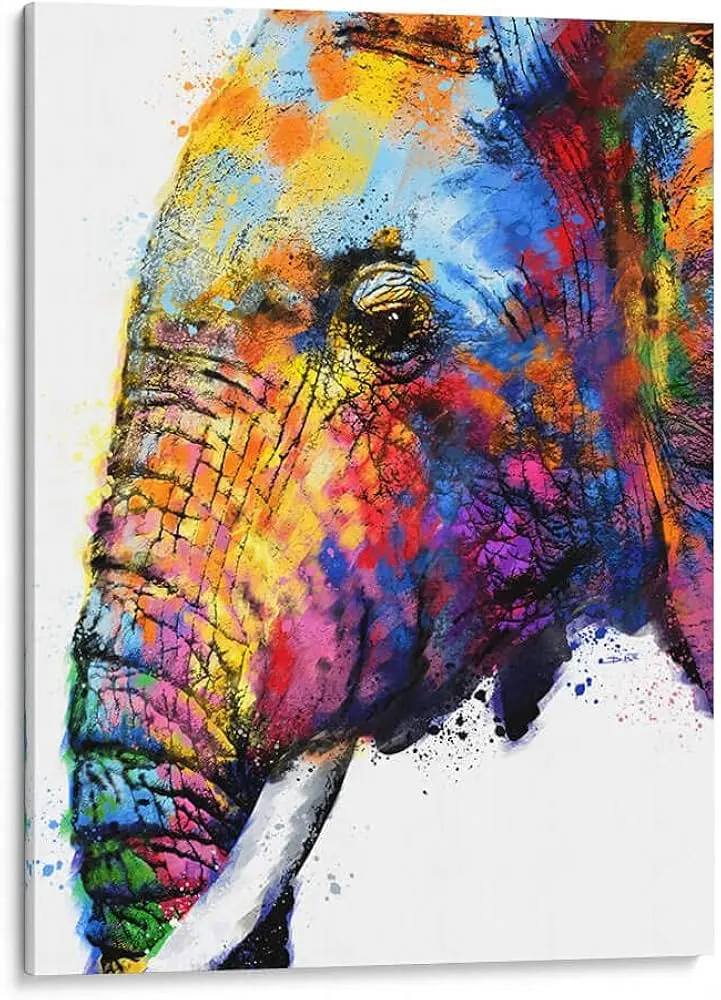
Identifying kitsch often involves looking for signs of excessive ornamentation or "trying too hard" to be emotional. A common indicator is the use of clichéd subjects that have been stripped of their original context, such as a reproduction of a famous masterpiece printed on a coffee mug. When an object prioritizes sentimentality over technical skill or conceptual depth, it leans toward the kitsch. It often employs bright, unnatural colors or overly dramatic compositions designed to trigger an instant reaction rather than a thoughtful contemplation.
To distinguish between genuine art and kitsch, consider the following checklist:
- Does the object rely on a well-worn trope, such as a puppy with big eyes or a generic sunset?
- Is the item mass-produced using synthetic materials that imitate natural textures like stone or wood?
- Does the work attempt to evoke a powerful emotion, such as grief or joy, in a way that feels manipulative rather than earned?
- Is the aesthetic style derivative, borrowing heavily from established movements without adding a new perspective?
Common mistakes when judging kitsch
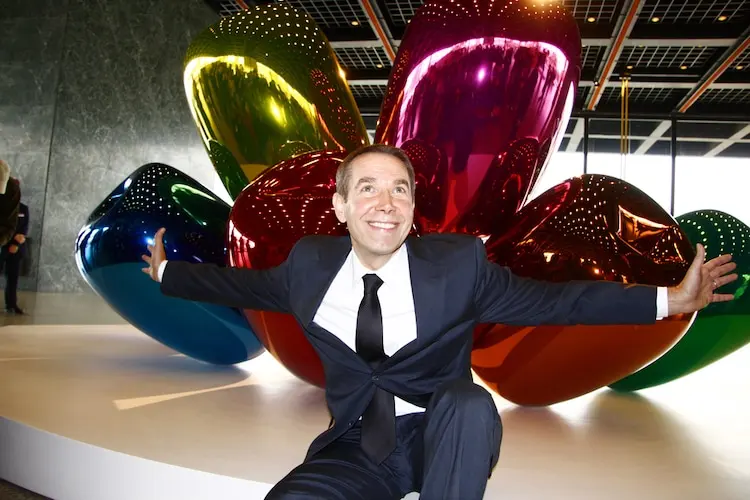
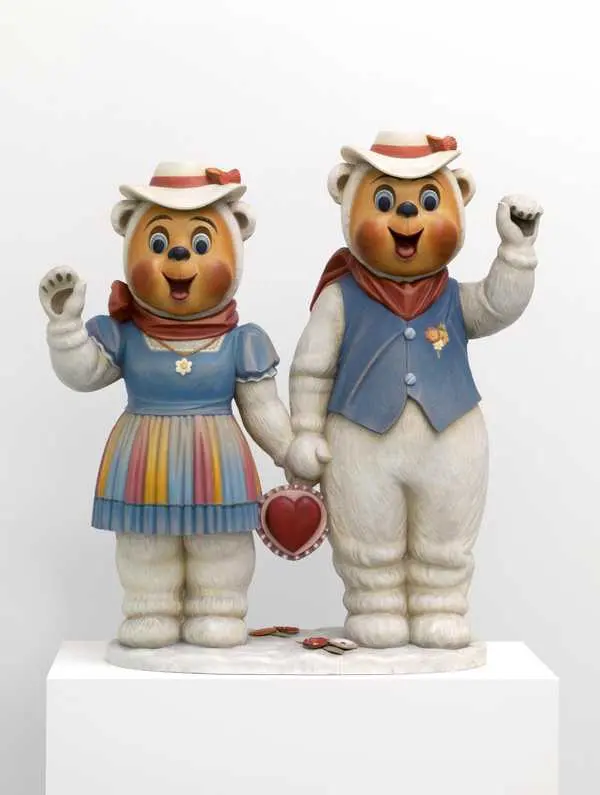
A major mistake is assuming that kitsch is inherently "bad" or devoid of value. While it may lack the complexity of high art, kitsch often holds significant cultural and historical importance. It reflects the values, aspirations, and tastes of the people who consume it. Dismissing kitsch entirely ignores the role it plays in everyday life and the way it shapes popular culture. Many artists, including those associated with the Pop Art movement like Jeff Koons, have intentionally embraced kitsch to challenge the boundaries between high and low culture.
Another error is failing to recognize the role of irony in modern appreciation. Today, many people collect kitsch intentionally, finding humor or aesthetic pleasure in its exaggerated nature. This "camp" sensibility allows individuals to enjoy the object for its absurdity rather than its intended sentimental value. When judging kitsch, it is helpful to distinguish between the object's original intent and the way it is perceived by a contemporary audience. What was once a sincere attempt at decoration may now be viewed as a humorous relic of a bygone era.
How to incorporate kitsch into modern decor
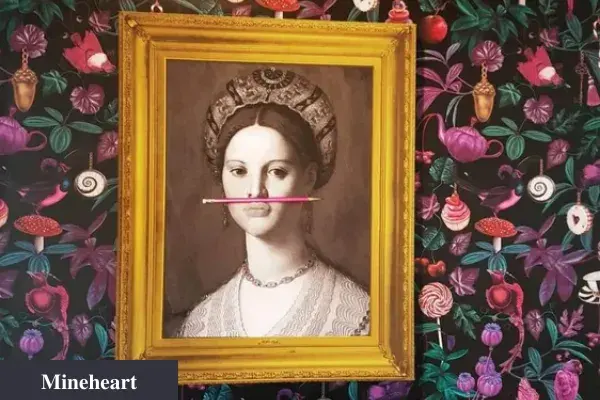
Incorporating kitsch into a living space can be a creative way to add personality and humor to a room. The key is to use these items as intentional accents rather than allowing them to clutter the space. A single, bold piece of kitsch—such as a vintage ceramic cat or a kitschy neon sign—can serve as a conversation starter or a focal point. The goal is to create a contrast between the kitsch object and the rest of your decor, highlighting its unique character rather than letting it blend into the background.
When styling your space with kitsch, follow these practical guidelines:
- Curate your collection: Choose items that have a specific theme or color palette to avoid a chaotic appearance.
- Balance the room: Place a kitschy item alongside minimalist or modern furniture to create a sophisticated visual tension.
- Use it for irony: Display items that reflect your sense of humor or personal history rather than just buying whatever is cheap.
- Avoid over-saturation: Too many kitschy items can make a room feel like a cluttered thrift store rather than a curated home.
Key facts
- The term "kitsch" originated in the art markets of Munich during the 1860s and 1870s to describe cheap, mass-produced artistic works.
- It is defined by an aesthetic of sentimentality, emotional excess, and the imitation of high-art styles for a broader, less discerning audience.
- Clement Greenberg, a prominent 20th-century art critic, famously contrasted kitsch with the avant-garde in his 1939 essay, "Avant-Garde and Kitsch."
- Common hallmarks include bright, garish colors, excessive ornamentation, and themes that rely on clichés like weeping children or heroic soldiers.
- Kitsch is often used ironically in modern interior design, where objects are displayed to highlight their perceived "tackiness" or nostalgic value.
- When identifying kitsch, look for a lack of formal innovation and a reliance on pre-packaged emotional responses rather than intellectual engagement.
The bottom line
Kitsch represents the intersection of mass production and emotional sentimentality, often functioning as a shortcut to nostalgia or humor. While historically dismissed as "bad taste," it has evolved into a significant cultural marker that challenges traditional hierarchies of art. By understanding its origins and ironic potential, you can effectively incorporate kitsch into your life as a deliberate aesthetic choice rather than an accidental display of clutter.
People also ask
Is all kitsch considered low-quality art?
While kitsch is traditionally viewed as inferior to "fine art," its value is subjective. Many collectors prize kitsch for its historical irony or its ability to evoke nostalgia for specific cultural eras.
How can I tell the difference between camp and kitsch?
Camp is a conscious, performative appreciation of something that is considered "bad" or over-the-top. Kitsch is the object itself, whereas camp is the deliberate, often humorous, way of engaging with that object.
Can kitsch be expensive?
Yes, vintage kitsch items, such as mid-century ceramic figurines or original advertising memorabilia, can fetch high prices at auctions. Rarity and condition often override the original intent of mass production.
Why do people intentionally decorate with kitsch?
Many people use kitsch to create a sense of humor or playfulness in their living spaces. It serves as a visual conversation starter that breaks the formality of traditional interior design.
Is kitsch the same as folk art?
No, folk art is typically handmade by individuals within a specific cultural tradition, reflecting authentic heritage. Kitsch is almost always mass-produced for commercial consumption and lacks a deep connection to artisanal craft.
What is the most common mistake when styling with kitsch?
The most common mistake is over-cluttering a space, which makes the room look like a disorganized thrift store rather than a curated aesthetic. Balance kitsch with minimalist or neutral elements to ensure the pieces stand out.
This answer was created with the help of AI research tools and reference sources. Spotted an error? Let us know — we correct mistakes quickly. See our editorial policy.