What is fluid art?
Short answer
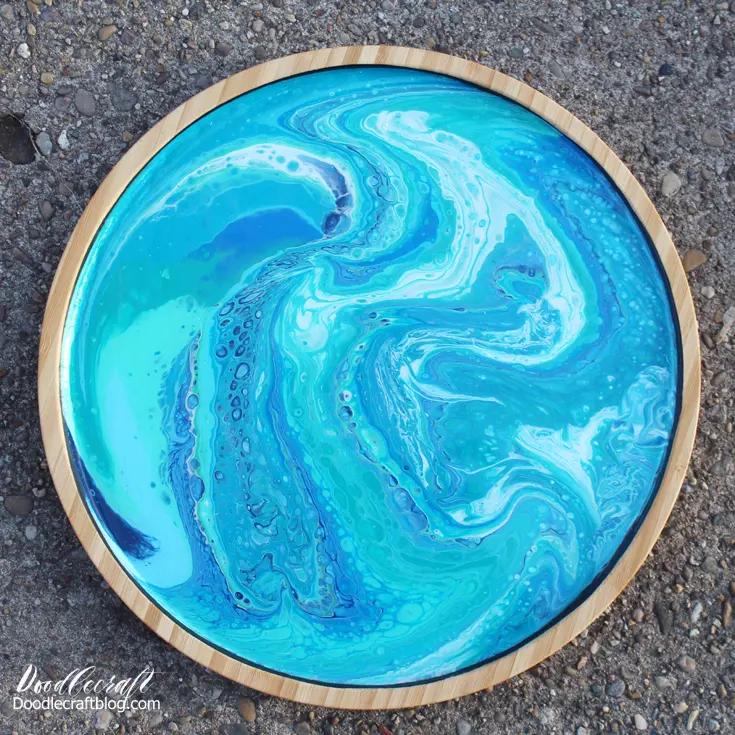
Fluid art is an abstract painting technique that uses acrylic paints with a fluid consistency to create marbleized or cell-like patterns. Artists pour, puddle, or swipe paint onto a canvas without using traditional brushes. The process relies on the physics of fluid dynamics, where varying paint densities interact to produce unique, unpredictable designs.
On this page
What is fluid art and how does it work?
Fluid art, often referred to as acrylic pouring, is a form of abstract expressionism that prioritizes the movement of paint over manual brushwork. The technique involves mixing acrylic paint with a pouring medium—typically a liquid additive—to adjust its viscosity. By thinning the paint, artists allow it to flow freely across a surface, creating intricate layers and organic shapes that would be impossible to replicate with a standard paintbrush.
The aesthetic appeal of fluid art stems from the interaction between different paint densities. When colors with varying weights are layered or poured together, they react to gravity and surface tension. This process often results in the formation of "cells," which are circular pockets of color that reveal the layers beneath. Because the paint continues to move and settle even after it hits the canvas, every piece is inherently unique and impossible to recreate exactly.
How to get started with fluid art supplies
To begin your first pour, you need to gather specific materials designed for consistency and flow. While professional-grade acrylics offer better pigment density, beginners can achieve excellent results with craft-store acrylics mixed with the right medium. The medium is the most critical component, as it prevents the paint from cracking while drying and ensures it remains fluid enough to spread across the canvas without losing its color intensity.
- High-flow acrylic paints or standard acrylics.
- A pouring medium, such as Floetrol or a dedicated acrylic pouring medium.
- Stretched canvases or wooden panels.
- Plastic cups for mixing colors.
- A drop cloth or silicone mat to protect your workspace.
- Silicone oil or hair serum to encourage the formation of cells.
When mixing, aim for a consistency similar to warm honey. If the paint is too thin, the colors will muddy together; if it is too thick, it will not spread across the canvas effectively. Always test the consistency by drizzling a small amount back into the cup; it should leave a visible trail on the surface for a few seconds before disappearing.
Best techniques for fluid art beginners
There are several foundational methods for applying paint to a canvas, each producing a distinct visual style. The "dirty pour" involves layering multiple colors into a single cup and flipping it onto the canvas, while the "swipe" method uses a flat tool or paper towel to drag paint across the surface. These techniques allow for varying degrees of control, making them accessible to artists of all skill levels.
- The Flip Cup: Place a canvas face down on a cup filled with layered paint, flip both over, and lift the cup to let the paint release.
- The Puddle Pour: Pour individual puddles of paint directly onto the canvas and tilt the surface to encourage the colors to merge.
- The Tree Ring Pour: Pour paint in a slow, circular motion from a single cup to create concentric, ring-like patterns.
- The Swipe: Apply paint in strips and use a palette knife or damp paper towel to pull one color over the others, creating dramatic lacing effects.
Experimenting with these methods helps you understand how different paint combinations interact. Start with just two or three colors to prevent the final image from turning brown or gray, which often happens when too many primary colors are mixed together.
How long does it take to dry and cure?
The drying process for fluid art is significantly longer than traditional acrylic painting because the layers are much thicker. While the surface may feel dry to the touch within 24 to 48 hours, the paint underneath remains soft for much longer. It is crucial to keep your project in a dust-free environment during this time, as the wet surface acts like a magnet for stray hair, lint, and debris.
Curing, the process where the paint reaches its full hardness and chemical stability, typically takes between two to four weeks. During this period, avoid placing heavy objects on the canvas or attempting to varnish the piece. If you apply a topcoat too early, you risk trapping moisture inside the paint, which can lead to cloudiness or peeling later on. Patience is essential; rushing the curing process often results in permanent damage to the intricate patterns you worked so hard to create.
Common mistakes when pouring acrylics
Many beginners struggle with "crazing," which occurs when the top layer of paint dries faster than the bottom layer, causing cracks to form. This is usually caused by using too much water to thin the paint instead of a proper pouring medium. Water breaks down the binder in acrylic paint, weakening its structural integrity. Always use a dedicated medium to maintain the paint's adhesive properties and ensure a smooth, durable finish.
Another frequent error is failing to level the canvas before pouring. If your workspace is tilted, the paint will slide off one side of the canvas, leaving you with an uneven composition. Use a spirit level to ensure your table or drying rack is perfectly flat. Finally, avoid over-manipulating the paint once it is on the canvas. Excessive tilting or poking with a stick can destroy the delicate cell structures and result in a muddy, dull appearance. Let the physics of the fluid do the work for you.
Key facts
- Fluid art, also known as acrylic pouring, relies on the physical properties of acrylic paint mixed with a pouring medium to create marbled, organic patterns.
- The most common ratio for a mixture is one part acrylic paint to two parts pouring medium, such as Floetrol or Liquitex.
- Silicone oil is frequently added to the paint mixture to create "cells," which are distinct, circular pockets of color that push through the top layer.
- Gravity is the primary tool used to manipulate the paint, as the artist tilts the canvas to move the liquid across the surface.
- A "dirty pour" involves layering multiple colors into a single cup before dumping them onto the canvas in one motion.
- Finished pieces require a drying time of at least 24 to 72 hours and should be sealed with a varnish to prevent dust accumulation and yellowing.
The bottom line
Fluid art is a captivating process that prioritizes spontaneity and physics over traditional brushwork. By mastering the consistency of your paint mixture and learning how to manipulate gravity, you can create intricate, abstract designs that are impossible to replicate with a brush. While the technique requires patience and a level workspace, it offers a rewarding, meditative experience for artists of all skill levels seeking unique, vibrant results.
People also ask
What is the purpose of a pouring medium?
A pouring medium thins the acrylic paint to the perfect consistency without breaking down the pigment or binding properties. It ensures the paint flows smoothly across the canvas while preventing it from cracking as it dries.
How do I prevent my colors from turning into a muddy brown?
Avoid mixing too many complementary colors, such as red and green or blue and orange, in the same pour. Stick to a limited color palette of three to four harmonious shades to keep the final result vibrant.
Can I use regular house paint for fluid art?
Professional artists recommend high-quality acrylic paints because they have a higher pigment load and better archival stability. House paints often contain fillers that can crack, peel, or fade significantly over time.
What is the best surface to use for a pour?
Stretched canvases are popular, but they must be level to prevent the paint from sliding off entirely. Wooden panels or boards are often preferred by professionals because they do not sag under the weight of the wet paint.
How do I get rid of air bubbles in my wet paint?
Passing a small butane torch or a heat gun quickly over the surface of the wet paint will pop trapped air bubbles. This technique also helps encourage the formation of cells by bringing the silicone to the surface.
Is fluid art expensive to start?
It is an accessible hobby, as you only need basic acrylic paints, a pouring medium, and a canvas to begin. While professional-grade supplies cost more, many beginners start with budget-friendly craft paints and household items like plastic cups.
This answer was created with the help of AI research tools and reference sources. Spotted an error? Let us know — we correct mistakes quickly. See our editorial policy.