What is a chapbook?
Short answer
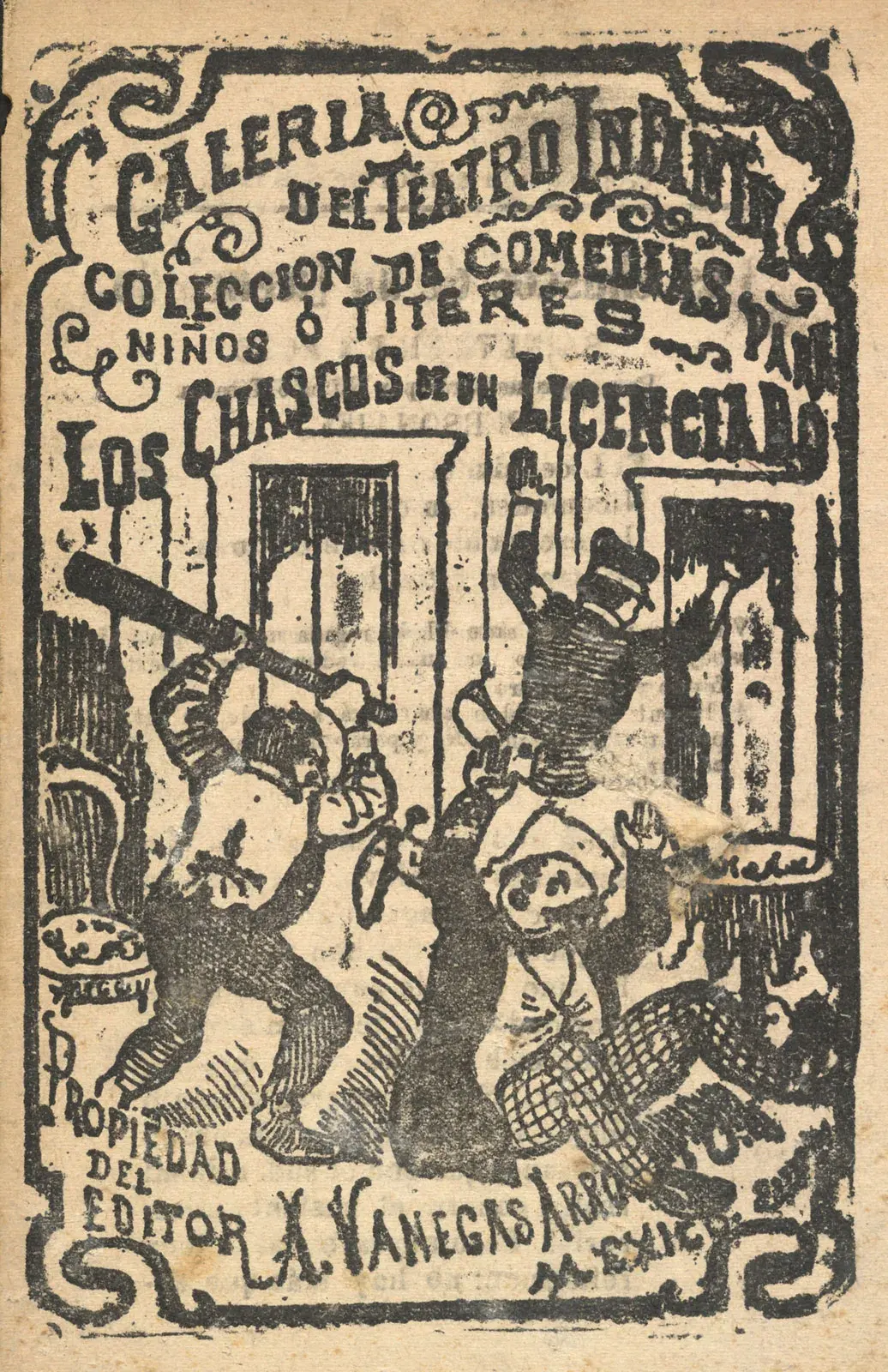
A chapbook is a small, inexpensive booklet typically containing poetry, folklore, or religious tracts. Historically sold by itinerant peddlers known as "chapmen" in the 17th and 18th centuries, these modest publications were often cheaply printed on single sheets of paper folded into small, portable formats, making literature accessible to the general public.
On this page
What is the history of chapbooks?
The term "chapbook" derives from the 17th-century English word "chapman," referring to the traveling merchants who sold these items. These peddlers carried a variety of small goods, but their printed wares were particularly significant because they provided affordable reading material to a largely illiterate or semi-literate population. Before mass-market publishing existed, chapbooks served as the primary source of entertainment and information for common people.
These booklets were typically printed on a single sheet of paper, folded into eight, sixteen, or even thirty-two pages. Because they were produced cheaply using low-quality paper and rudimentary binding, very few original copies have survived to the present day. The content ranged from fairy tales and nursery rhymes to sensationalized crime reports, political satire, and moralizing religious stories. By the mid-19th century, the rise of newspapers and magazines led to the decline of the traditional chapbook, though the format eventually found a new life within the literary underground.
How are modern chapbooks used today?
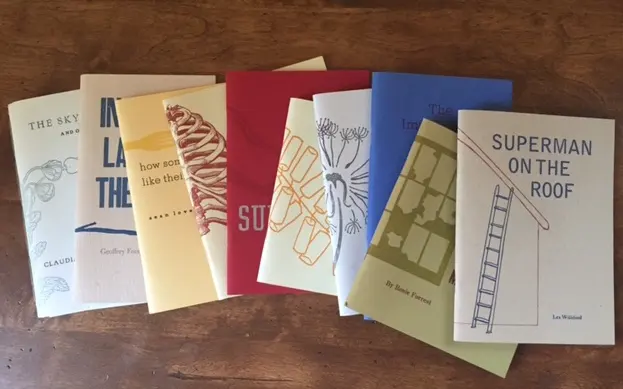
In the contemporary era, the chapbook has been reclaimed by poets, artists, and independent presses. Unlike their historical predecessors, modern chapbooks are often viewed as high-quality artistic objects rather than disposable ephemera. They are frequently used by emerging writers to publish a focused collection of poems or short prose pieces before committing to a full-length book.
Many independent presses and literary journals host annual chapbook competitions, providing a platform for new voices. These modern versions often feature high-quality cardstock covers, professional typography, and sometimes even hand-stitched bindings. They are popular at poetry readings and literary festivals because they are affordable for readers and easy for authors to transport. Today, the chapbook represents a specific aesthetic choice, prioritizing brevity and thematic cohesion over the length and commercial demands of a traditional trade paperback.
How to make a chapbook at home
Creating a personal chapbook is an accessible project that requires only basic materials. The most common format is the "saddle-stitch" booklet, which involves folding sheets of paper and securing them along the center crease. This method is ideal for zines, poetry collections, or personal essays.
- Gather your paper, a long-reach stapler, a bone folder or ruler, and a sharp craft knife.
- Arrange your pages in "imposition" order, which ensures that when folded, the pages appear in the correct sequence.
- Fold your sheets individually or as a group, using the bone folder to create a crisp, professional spine.
- Open the booklet to the center and staple through the fold, ensuring the staples catch all pages securely.
- Trim the outer edges of the pages with a craft knife and a metal ruler to ensure the edges are perfectly flush.
Best materials for chapbook printing
Choosing the right materials can significantly impact the durability and professional appearance of your project. While the historical chapbook was defined by its cheapness, modern creators often select archival-quality materials to ensure their work lasts. The choice of paper weight and binding method should reflect the intended tone of the content.
- Cover stock: Use 65lb to 80lb cardstock for the exterior to provide structure and protection.
- Interior paper: Select 20lb to 24lb bond paper, which is standard for laser printers and comfortable for reading.
- Binding thread: If avoiding staples, waxed linen thread is the industry standard for hand-sewn pamphlets.
- Adhesives: Use acid-free glue sticks or archival tape if you are collaging elements into your layout.
- Cutting tools: A self-healing cutting mat is essential to protect your workspace and ensure clean, straight edges during the trimming process.
Common mistakes when making chapbooks
One of the most frequent errors beginners make is failing to account for "creep." Creep occurs when the thickness of the folded pages causes the inner pages to extend further than the outer pages, resulting in a jagged edge when the book is closed. To avoid this, you must trim the fore-edge of the book after binding, or adjust your margins during the layout phase to compensate for the shifting paper.
Another common mistake is neglecting the gutter margin. If your text is too close to the center fold, it will be difficult for the reader to see the words without forcing the book open and potentially damaging the spine. Always leave at least a half-inch of white space near the fold to ensure readability. Finally, avoid using too many fonts or overly complex layouts; a clean, consistent design is far more effective for short-form literature than a cluttered, experimental aesthetic. By focusing on simple, readable typography, you ensure that the content remains the primary focus of the reader's experience.
Key facts
- A chapbook is a small, inexpensive booklet typically containing 8 to 40 pages of poetry, short stories, or essays.
- The term originated in the 16th century, derived from "chapmen," the itinerant peddlers who sold these pamphlets alongside household goods.
- Modern chapbooks are often saddle-stitched, meaning they are folded in half and stapled along the spine.
- Many independent presses use chapbooks as a primary medium to introduce new poets or experiment with niche themes.
- Standard dimensions for a chapbook are usually 5.5 by 8.5 inches, created by folding standard letter-sized paper in half.
- When self-publishing, avoid using heavy cardstock for interior pages, as it makes the booklet difficult to fold and prone to cracking.
The bottom line
A chapbook is a concise, accessible format that serves as a vital tool for writers to share their work without the overhead of traditional publishing. By focusing on brevity and creative design, these booklets offer a tactile, personal connection between the author and the reader. Whether you are a poet or a storyteller, the chapbook remains an essential, enduring medium for independent expression and literary experimentation.
People also ask
How do chapbooks differ from traditional books?
Chapbooks are significantly shorter, cheaper to produce, and often have a more ephemeral, DIY aesthetic. While a traditional book is usually bound with glue or thread and sold in bookstores, chapbooks are frequently sold at readings, festivals, or online by the authors themselves.
What is the standard page count for a chapbook?
Most chapbooks range between 8 and 40 pages. Anything shorter is often considered a broadside or pamphlet, while anything longer than 50 pages is typically classified as a full-length book.
Are chapbooks considered "real" publications?
Yes, they are highly respected in literary circles, particularly in poetry. Many established authors began their careers by publishing chapbooks to build a portfolio and gain critical attention.
How can I bind a chapbook at home?
The most common method is saddle-stitching, which involves folding your pages and using a long-reach stapler to secure the center fold. Alternatively, you can use a needle and heavy-duty thread to sew the spine for a more professional, artisanal look.
What should I avoid when designing a chapbook?
Avoid overcrowding the pages with too much text or using illegible fonts. Ensure your margins are wide enough so that the text is not lost in the gutter, which is the inner fold where the pages meet.
Where can I sell my chapbooks?
You can sell them at local literary readings, independent bookstores, through your own website, or on platforms like Etsy. Many writers also trade chapbooks with other authors to build community and expand their readership.
This answer was created with the help of AI research tools and reference sources. Spotted an error? Let us know — we correct mistakes quickly. See our editorial policy.