What are the best alcohol markers for beginners?
Short answer
The best alcohol markers for beginners are Ohuhu markers, which offer professional-grade blending capabilities at a fraction of the cost of premium brands. These markers provide a reliable entry point for artists to learn layering and gradient techniques without the significant financial investment required by high-end professional brands like Copic.
On this page
Which alcohol markers are best for beginners?
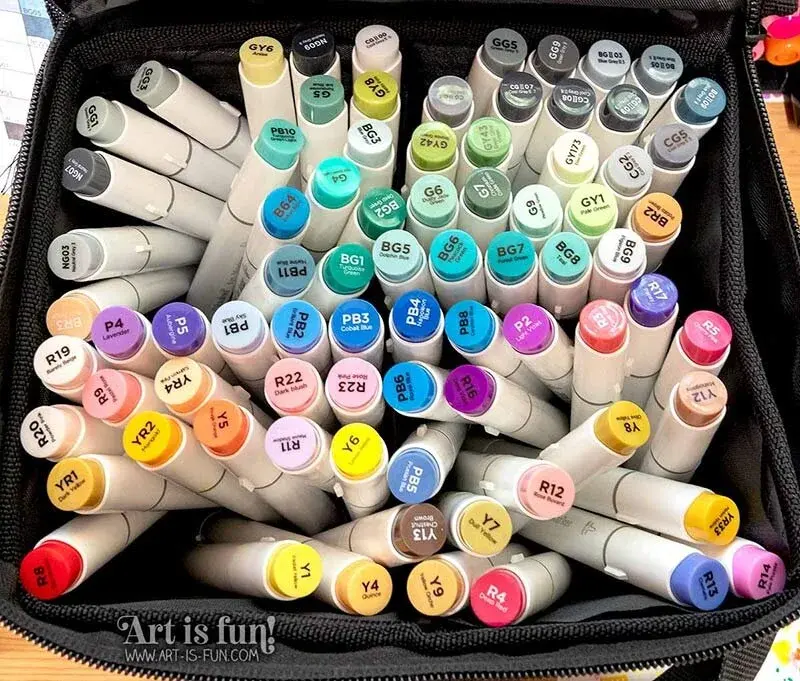
For those just starting, Ohuhu markers are widely considered the industry standard for value and performance. They feature a dual-tip design, typically including a brush tip for fluid strokes and a chisel tip for filling large areas. Unlike cheaper craft-store brands, Ohuhu ink flows consistently, allowing for smooth transitions between colors.
Another excellent option is the Winsor & Newton Promarker series. These markers are known for their high-quality, streak-free ink and durable nibs that withstand heavy use. Beginners often prefer these because they are widely available in individual open-stock format, allowing you to purchase specific colors as needed rather than committing to large, expensive sets immediately.
- Ohuhu Honolulu Series: Excellent for brush-tip control.
- Winsor & Newton Promarker: Ideal for consistent, vibrant color saturation.
- Bianyo Classic Series: A budget-friendly alternative for practice.
- Copic Ciao: The most affordable entry into the professional Copic ecosystem.
How to blend alcohol markers effectively
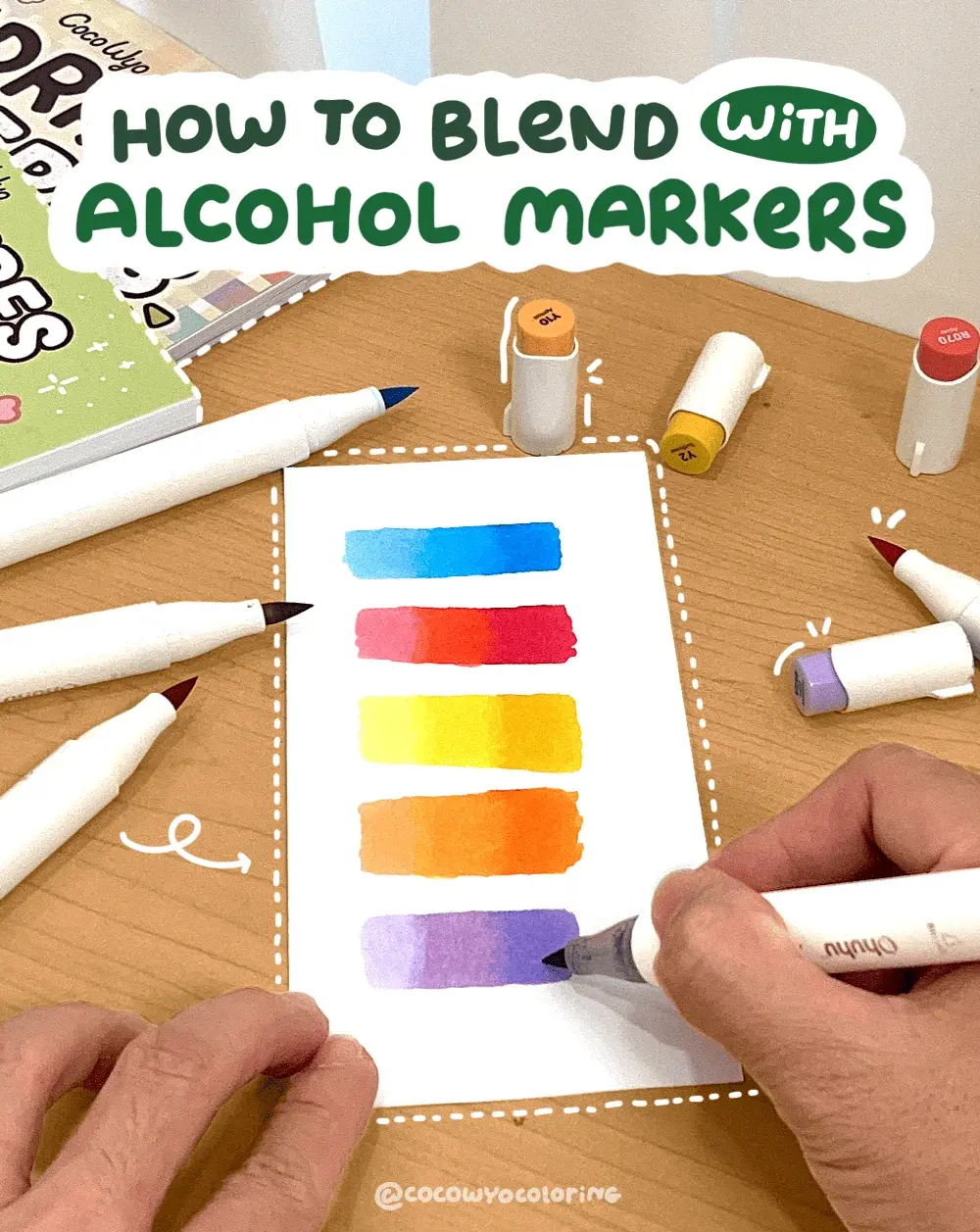
Blending is the core technique of alcohol marker art, relying on the ink’s ability to remain wet long enough to mix on the paper. To achieve a seamless gradient, start by laying down your lightest color first. While the ink is still damp, apply your darker color along the edge and then immediately go back over the transition zone with the lighter marker to melt the two colors together.
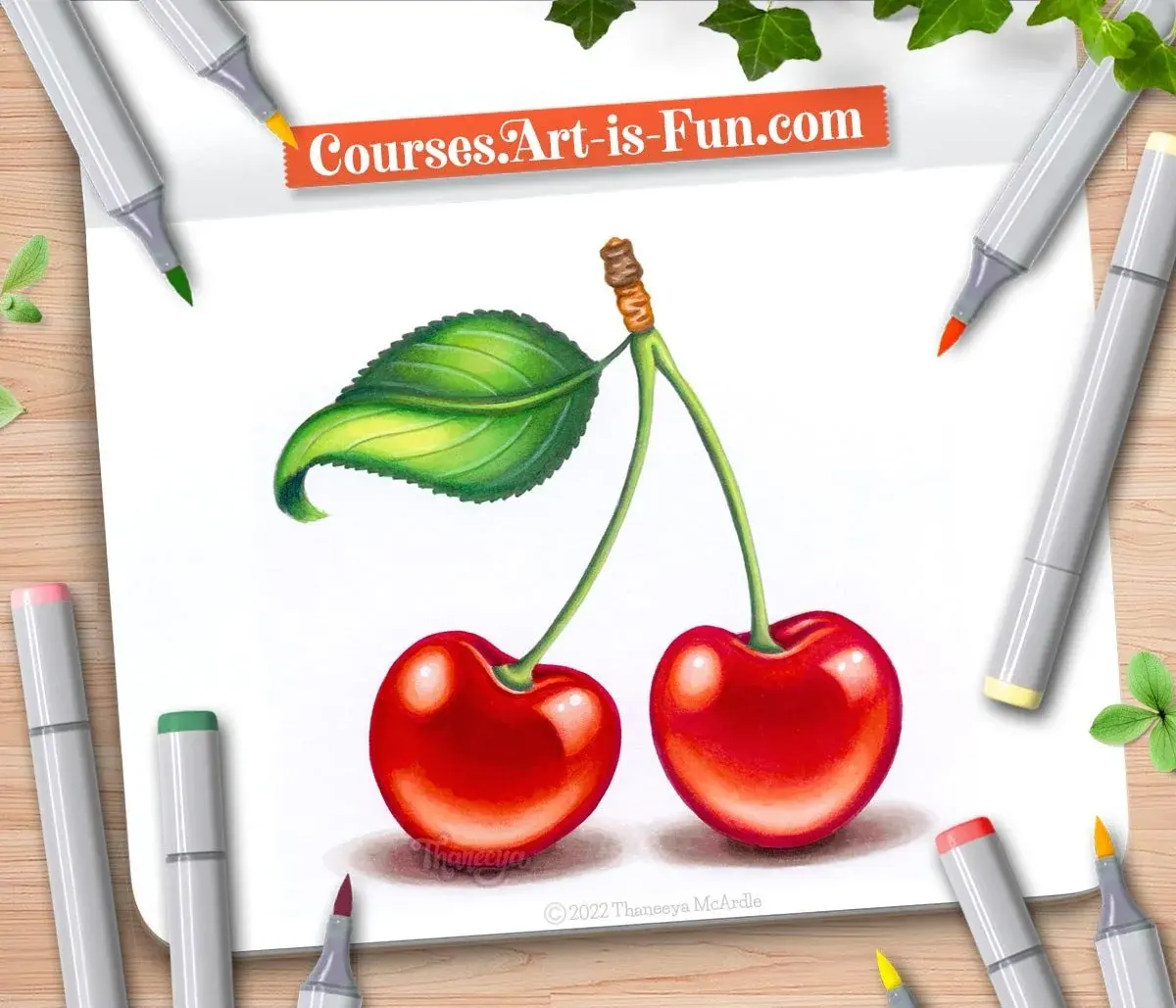
The quality of the paper is just as important as the markers themselves. You must use bleed-proof marker paper or heavy-weight cardstock, as standard printer paper will absorb the ink too quickly, causing it to feather and bleed outside your lines. Always work in small sections to ensure the ink stays wet enough to blend properly before it dries permanently.
- Apply the base layer using the lightest color in your chosen palette.
- Add the mid-tone color while the base layer is still wet.
- Use the lightest marker again to pull the pigment from the mid-tone into the base.
- Repeat the process with the darkest color if more depth is required.
What supplies do you need besides markers?
Beyond the markers, you need specific paper designed to handle alcohol-based solvents. Standard drawing paper is too porous, which leads to excessive ink consumption and fuzzy edges. Look for pads specifically labeled as "marker paper," which usually have a special coating that prevents the ink from soaking through to the other side or spreading uncontrollably.
It is also vital to use a waterproof, alcohol-resistant fineliner for your line art. If your ink pen is not compatible with alcohol markers, the lines will smudge and bleed the moment the marker touches them. Micron pens or dedicated marker liners are the safest choices for maintaining crisp, clean edges throughout your coloring process.
- Marker-specific paper (smooth, non-porous surfaces).
- Alcohol-resistant fine-point pens for line work.
- A scrap piece of paper to place under your drawing to catch bleed-through.
- A colorless blender marker for softening edges or fixing minor mistakes.
Common mistakes when using alcohol markers
The most frequent error beginners make is overworking the paper. Because alcohol markers rely on saturation, applying too many layers to one spot will eventually break down the paper fibers, causing the surface to pill or tear. If the paper looks wet and shiny, stop coloring and let it dry completely before adding more pigment to avoid damaging the texture.
Another common mistake is neglecting to cap the markers tightly. Alcohol ink evaporates rapidly when exposed to air, meaning a marker left uncapped for even an hour can dry out significantly. Always listen for the audible "click" when replacing the cap to ensure an airtight seal. Additionally, avoid storing your markers vertically for long periods, as this can cause the ink to pool in one end of the nib.
- Working on paper that is too thin or porous.
- Using markers without a protective sheet underneath, leading to stained desks.
- Applying too many layers, which causes the paper to saturate and pill.
- Leaving caps off, which leads to rapid ink evaporation and ruined nibs.
How to care for your markers
Maintaining your markers ensures they last for years, even with frequent use. If a nib becomes frayed or stained, many brands offer replacement nibs that you can swap out using tweezers. Keeping your workspace clean and dust-free also prevents debris from being dragged into the nib, which can cause uneven ink flow or streaks on your artwork.
Finally, consider the environment in which you store your markers. Keep them away from direct sunlight and extreme heat, as these conditions can alter the chemical composition of the ink over time. If you notice a marker is running dry, some brands sell refill ink bottles, which are significantly cheaper than buying new markers. By refilling your existing barrels, you can keep your favorite colors ready for use indefinitely.
Key facts
- Alcohol markers use dye-based ink that dissolves in alcohol, allowing for smooth, streak-free blending.
- Beginners should start with a small set of 12 to 24 colors to learn color theory without feeling overwhelmed.
- Always use bleed-proof marker paper, as standard printer paper will cause ink to feather and ruin your desk surface.
- Store markers horizontally to ensure the ink stays evenly distributed between the two nibs.
- Alcohol ink is permanent and will bleed through most paper, so place a protective sheet underneath your work.
- Look for markers with a brush nib, which offers better control for calligraphy and professional-style blending than a bullet nib.
The bottom line
Choosing the right alcohol markers involves balancing budget with performance. For beginners, high-quality, non-refillable sets from reputable budget brands provide the best entry point for learning blending techniques. By using specialized bleed-proof paper and practicing consistent, quick strokes, you can achieve professional results. Focus on mastering a limited color palette first, as this builds essential skills in shading and color theory before investing in larger collections.
People also ask
Are expensive markers like Copics necessary for beginners?
While Copic markers are the industry standard due to their refillable ink and replaceable nibs, they are costly for beginners. Brands like Ohuhu offer high-quality, budget-friendly alternatives that perform similarly for those just learning the medium.
How do I prevent my markers from drying out?
Always snap the cap on firmly until you hear a distinct click after every use. If a marker is left uncapped for even a few minutes, the solvent will evaporate and the nib will harden.
Can I use alcohol markers on regular drawing paper?
Standard sketch paper is too porous and will soak up too much ink, leading to wasted supplies and feathered lines. Use specific bleed-proof marker pads that have a coated surface to keep the ink sitting on top of the paper.
How do I blend two different colors together?
Apply the lighter color first, then overlap it with the darker color while the ink is still wet. Use the lighter marker again to go over the edge where the two colors meet to soften the transition.
Why does my ink look streaky?
Streaking usually occurs when you work too slowly or let the ink dry before adding the next layer. Work quickly in circular or sweeping motions to keep the ink wet until you achieve your desired blend.
Can I refill alcohol markers once they run out?
Only professional-grade markers, such as Copic, offer official refill bottles and replacement nibs. Most budget brands are disposable, meaning you must replace the entire marker once the ink supply is depleted.
This answer was created with the help of AI research tools and reference sources. Spotted an error? Let us know — we correct mistakes quickly. See our editorial policy.