What is a shade in art?
Short answer
A shade is a color produced by mixing a pure hue with black, which reduces its lightness while maintaining its original chromatic identity. In art, shades are essential for creating depth, establishing shadows, and defining the three-dimensional form of objects. They allow artists to manipulate value and contrast within a composition effectively.
On this page
What is the difference between shade, tint, and tone?
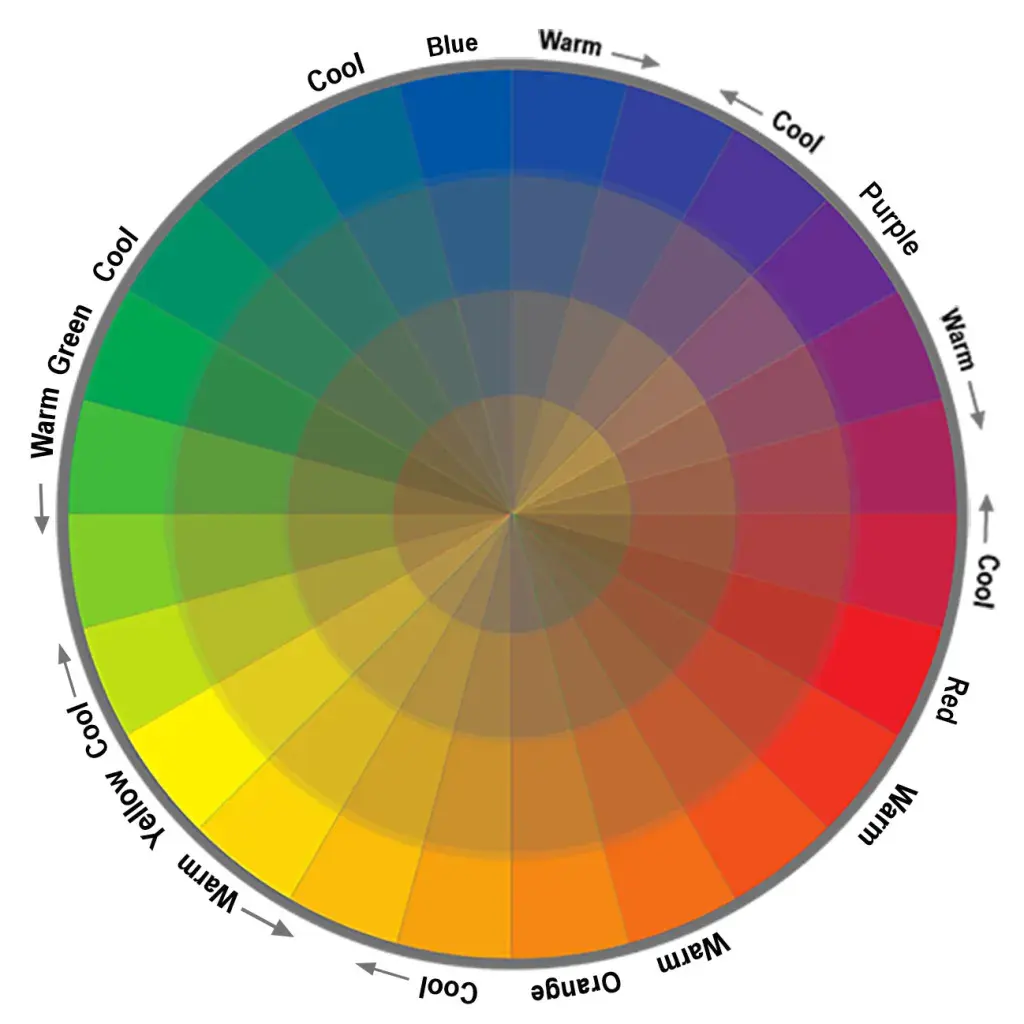
Many people confuse these terms, but they represent distinct ways to alter a base hue. A tint is created by adding white to a color, which increases its lightness and creates a pastel effect. A tone is produced by adding gray, which mutes the intensity of the color without significantly changing its lightness. Shades, conversely, move the color toward the darker end of the value scale.
Understanding these distinctions is fundamental for color theory. When you manipulate a hue, you are essentially changing its position on the value spectrum. Artists use these variations to control the mood and atmospheric perspective of a painting. By mastering these three modifications, you gain complete control over the visual weight and temperature of your work.
- Tint: Hue + White (increases lightness)
- Tone: Hue + Gray (reduces saturation)
- Shade: Hue + Black (decreases lightness)
How to create a shade correctly
Creating a shade is more complex than simply adding black paint to your palette. Pure black pigments, such as Ivory Black or Lamp Black, are often very intense and can easily overwhelm a color, making it look muddy or "dead." Instead of relying solely on black, many professional painters prefer to create "chromatic blacks" by mixing complementary colors.
For example, mixing Alizarin Crimson with Phthalo Green creates a deep, rich, and dark tone that functions as a shade. This method retains the color's life and complexity, whereas adding flat black pigment can flatten the visual interest. If you must use black paint, always start with a tiny amount and gradually add it to your hue.
- Select your base hue on the palette.
- Add a very small amount of black or a dark complementary color.
- Mix thoroughly using a palette knife to ensure consistency.
- Test the color on a scrap piece of paper before applying it to the canvas.
Why use shades in painting
Shades are the primary tool for rendering form and volume. Without the use of darker values, a subject will appear flat, like a cutout on a page. By applying shades to the areas furthest from the light source, you create the illusion of depth and physical weight. This technique is known as chiaroscuro, a method popularized during the Renaissance by masters like Leonardo da Vinci.
Beyond mere volume, shades are essential for establishing the focal point of a composition. By placing deep shades near a highlight, you create high contrast, which naturally draws the viewer's eye to that specific area. This manipulation of value is often more important than the choice of color itself, as the human eye is more sensitive to changes in light than to changes in hue.
Common mistakes when shading
One of the most frequent errors artists make is using black to shade every color. While this seems logical, it often results in a painting that looks dirty or dull. If you shade a bright yellow with black, for instance, you will likely end up with an unattractive olive-green sludge. Instead, use dark blues or purples to shade warm colors to keep the mixture vibrant.
Another common mistake is failing to observe the "reflected light" within a shadow. Shadows are rarely pitch black; they often contain subtle reflections from nearby objects or the environment. If you paint a shadow as a solid, flat block of dark color, the object will lose its realism. Always look for the subtle color shifts within your darkest areas to maintain a sense of atmosphere.
- Over-relying on tube black instead of mixing custom darks.
- Ignoring the influence of reflected light in shadowed areas.
- Failing to maintain a consistent light source throughout the work.
- Using too much black, which kills the saturation of the hue.
Best tools for practicing shading
To improve your shading skills, start with a limited palette. Using a "Zorn palette"—consisting only of Yellow Ochre, Cadmium Red, Ivory Black, and White—is an excellent way to learn how to manipulate value. This restricted range forces you to focus on the relationship between light and dark rather than getting distracted by a wide array of vibrant colors.
You should also practice by painting simple geometric shapes like spheres and cubes under a single, strong light source. This exercise helps you understand how light wraps around an object and where the darkest shadows naturally fall. Use high-quality brushes that allow for smooth blending, as harsh edges can sometimes disrupt the illusion of a soft, rounded shadow. Consistent practice with these basic forms will eventually allow you to shade complex subjects with confidence and ease.
Key facts
- A shade is created by adding black to a pure hue, which decreases its lightness and increases its darkness.
- The term is part of a color triad that includes tints (adding white) and tones (adding gray).
- Artists use shades to create depth, volume, and a sense of three-dimensionality on flat surfaces.
- Complementary colors, such as mixing orange with blue, can be used to create a shade instead of using pure black paint.
- Adding too much black pigment can result in a "muddy" appearance, often referred to as "killing the color."
- Shades are essential for rendering shadows, as they mimic how light behaves when it is obstructed by an object.
The bottom line
In art, a shade is a fundamental tool for establishing contrast and form. By darkening a hue with black or a complementary color, you simulate the presence of shadows, which gives your work a sense of weight and physical presence. Mastering shades allows you to move beyond flat, cartoonish imagery, enabling you to create sophisticated, realistic compositions that effectively manipulate light and depth for the viewer.
People also ask
How does a shade differ from a tint?
A shade is produced by mixing a color with black to lower its value, whereas a tint is produced by mixing a color with white to raise its value. While shades make colors appear deeper and more intense, tints make colors appear lighter and more pastel.
Can I use brown to create a shade?
Yes, mixing a color with its complement or a dark brown can create a more natural-looking shade than using pure black. Pure black can sometimes make a color look flat or artificial, while brown adds warmth to the shadow.
Why do my paintings look muddy when I try to shade?
Muddy colors often occur when you mix too many complementary colors or add too much black pigment to a bright hue. To avoid this, start by adding only a tiny amount of black and test the mixture on a scrap piece of paper first.
What is the role of shades in atmospheric perspective?
Atmospheric perspective uses shades to show distance, as objects further away appear darker and less saturated. Artists darken the colors of distant mountains or buildings to push them back into the background of a composition.
Is black the only way to create a shade?
No, you can create shades by layering thin, transparent glazes of a darker color over a lighter base. This technique, often used in oil painting, allows the underlying color to glow through, creating a more luminous shadow.
How do I know how much black to add?
Always add black to your color in small increments, rather than adding color to a pile of black paint. It is much easier to darken a color that is too light than it is to brighten a color that has become too dark.
This answer was created with the help of AI research tools and reference sources. Spotted an error? Let us know — we correct mistakes quickly. See our editorial policy.