What can you make from old clothes?
Short answer
Old clothes can be repurposed into functional household items, textile art, or practical accessories through sewing, weaving, and patching. Common projects include quilts, cleaning rags, tote bags, and pet beds. By deconstructing garments, you reduce textile waste while creating durable, personalized goods that extend the life of natural and synthetic fibers.
On this page
How to turn old clothes into household items
Transforming worn-out garments into practical household tools is an efficient way to manage textile waste. Cotton t-shirts, in particular, are highly absorbent and make excellent cleaning rags for dusting or polishing surfaces. If you have worn-out flannel shirts or thick denim, these materials can be cut into squares and sewn together to create durable coasters or heavy-duty pot holders.
For larger projects, consider creating a rag rug or a pet bed. A pet bed is a straightforward project that requires minimal sewing skills. Simply stuff a pillowcase or a sewn fabric envelope with shredded fabric scraps from old clothing. This provides a soft, familiar-smelling resting spot for your pets while keeping bulky textiles out of landfills.
- Sort your clothes by material type, keeping cottons separate from synthetics.
- Cut the fabric into uniform strips or squares depending on your intended project.
- Remove all buttons, zippers, and metal fasteners to prevent damage to surfaces.
- Sew pieces together using a sturdy stitch to ensure longevity during use.
Best sewing projects for beginners
If you are new to repurposing textiles, start with projects that require minimal precision and basic straight stitches. A simple tote bag is an ideal first project, as it utilizes the existing structure of a shirt or a pair of jeans. By cutting off the sleeves and neckline of a t-shirt and sewing the bottom hem shut, you create a reusable bag in minutes.
Another beginner-friendly option is the "memory pillow." This involves taking a meaningful garment, such as a flannel shirt or a baby outfit, and sewing it into a square cover for a throw pillow insert. This preserves the sentimental value of the clothing while making it a functional part of your home decor. Focus on using fabrics that do not fray easily, such as fleece or felted wool, to simplify your initial attempts.
- Use a rotary cutter for clean, straight lines when preparing fabric pieces.
- Always press your fabric with an iron before cutting to ensure accuracy.
- Choose high-contrast fabric patterns to hide potential mistakes in your stitching.
- Start with non-stretchy fabrics like denim or canvas to avoid fabric bunching.
Why textile upcycling is important
The global fashion industry is a significant contributor to environmental degradation, with millions of tons of clothing discarded annually. Most of these garments end up in landfills, where synthetic fibers like polyester can take hundreds of years to decompose. Upcycling serves as a critical intervention by diverting these materials from the waste stream and extending their functional life cycle.
Beyond the environmental impact, upcycling fosters a deeper connection to the items we own. By manually deconstructing and rebuilding a garment, you gain an appreciation for the labor and resources required to produce clothing. This shift in perspective often leads to more intentional consumption habits, encouraging individuals to choose higher-quality materials that are easier to repair or repurpose in the future. It is a sustainable practice that balances creativity with ecological responsibility.
Common mistakes when repurposing clothes
One of the most frequent errors is failing to account for the stretchiness of different fabric types. Mixing high-stretch jersey knits with rigid denim in a single project often leads to puckering or uneven seams. Always test how your chosen fabrics react to tension before committing to a complex pattern. If you must mix textures, consider using a stabilizer, such as fusible interfacing, to provide a uniform base for your sewing.
Another common pitfall is neglecting the condition of the fabric. While a shirt may look intact, the fibers might be thin or brittle due to frequent washing. Avoid using worn-out areas for high-stress items like bags or rugs, as these will likely tear under weight. Always perform a "tug test" on the fabric to ensure it has enough structural integrity to withstand the intended use of your new creation.
How to prepare fabric for crafting
Proper preparation is the foundation of a successful upcycling project. Before you begin cutting, ensure every garment is thoroughly laundered to remove dirt, oils, and residues that could interfere with adhesives or sewing machine needles. If you are working with wool, be aware that it may have shrunk during previous washes, which can actually be an advantage as it creates a tighter, more durable felted material that does not fray.
Organization is equally vital when dealing with a large volume of old clothes. Group your fabric scraps by color, texture, or weight to make the design process more fluid. If you are planning a quilt or a patchwork project, laying out your pieces on a flat surface first allows you to visualize the final pattern before you start sewing. This systematic approach prevents frustration and ensures that your finished item is both aesthetically pleasing and structurally sound.
Key facts
- Natural fibers like cotton and wool are biodegradable and can be composted if they are 100% organic and free of synthetic dyes.
- Upcycling old denim into durable items like tote bags or storage bins is a popular way to extend the life of heavy-duty fabric.
- Textile recycling programs can process worn-out garments into insulation for homes or stuffing for car seats and furniture.
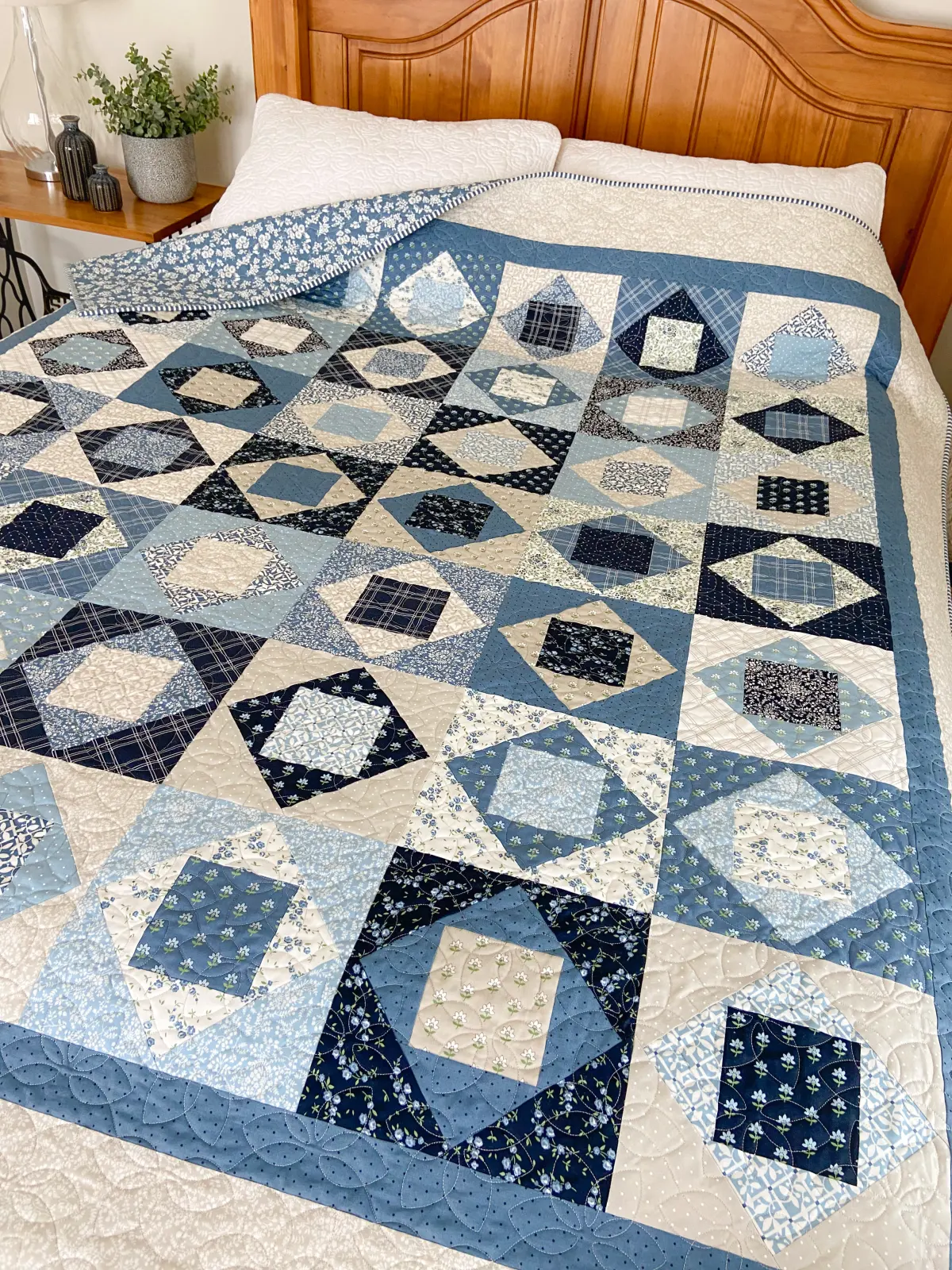
- Patchwork quilting is a traditional method for repurposing scraps of patterned fabric into functional, decorative household textiles.
- T-shirt yarn, created by cutting fabric into continuous strips, is a versatile material for crocheting rugs, baskets, or plant hangers.
- Cleaning rags made from old cotton shirts are more absorbent and environmentally friendly than disposable paper towels.
The bottom line
Transforming old clothes reduces landfill waste and provides creative, cost-effective solutions for home utility. Whether you are sewing durable denim bags, crocheting with fabric yarn, or simply creating cleaning cloths, repurposing extends the lifecycle of materials. By choosing to mend, repurpose, or recycle textiles rather than discarding them, you actively participate in a sustainable circular economy that values resourcefulness and minimizes environmental impact.
People also ask
How do I know if my clothes are suitable for donation?
Clothes should be clean, dry, and free of holes, stains, or broken zippers to be considered acceptable for donation. If an item is too damaged to be worn, it should be sent to a textile recycling facility rather than a charity shop.
Can I use synthetic fabrics like polyester for composting?
No, synthetic fabrics are essentially plastic and will not break down in a compost pile. These materials should be recycled through specialized textile programs or repurposed into non-compostable craft items.
What is the best way to cut fabric for T-shirt yarn?
Lay the shirt flat and cut off the hem, then cut the body into a continuous spiral strip about one inch wide. Pull the strip firmly to make the edges curl inward, creating a soft, rope-like yarn.
How can I prevent my upcycled projects from looking messy?
Use a sharp rotary cutter or fabric shears to ensure clean edges and straight lines. Pressing your seams with an iron during the sewing process will also give your finished product a professional, structured appearance.
Where can I find local textile recycling locations?
Check your municipal government website or use online directories like Earth911 to find drop-off sites in your area. Many large retail clothing stores also provide collection bins for old textiles regardless of the brand.
What is a common mistake when repurposing old clothes?
A frequent error is failing to wash old garments before crafting, which can lead to shrinkage or color bleeding later. Always pre-wash and dry your fabric to ensure the final product maintains its shape and size.
This answer was created with the help of AI research tools and reference sources. Spotted an error? Let us know — we correct mistakes quickly. See our editorial policy.