Why is the Mona Lisa behind glass?
Short answer
The Mona Lisa is displayed behind bulletproof glass primarily to protect it from physical vandalism and environmental damage. Since the 1950s, the painting has been subjected to acid attacks, rock throwing, and even a teacup strike. The protective casing also regulates temperature and humidity, ensuring the 500-year-old poplar wood panel remains stable.
On this page
Why is the Mona Lisa behind glass?
The primary reason for the glass enclosure is the history of targeted vandalism against Leonardo da Vinci’s masterpiece. In 1956, a visitor threw a rock at the painting, causing a small chip of pigment to fall off near the subject's left elbow. Shortly thereafter, an acid attack further damaged the lower section of the artwork. These incidents forced the Louvre to install protective barriers to prevent direct contact between the public and the fragile oil-on-poplar surface.
Beyond physical threats, the glass serves as a critical environmental shield. The painting is composed of a thin wood panel that is highly sensitive to fluctuations in moisture and temperature. If the air in the Salle des États becomes too dry or too humid, the wood could warp or crack, causing the paint layers to flake off permanently. The current climate-controlled, sealed casing acts as a micro-environment, maintaining consistent conditions that preserve the structural integrity of the wood and the chemical stability of the pigments.
How does the glass protect the painting?
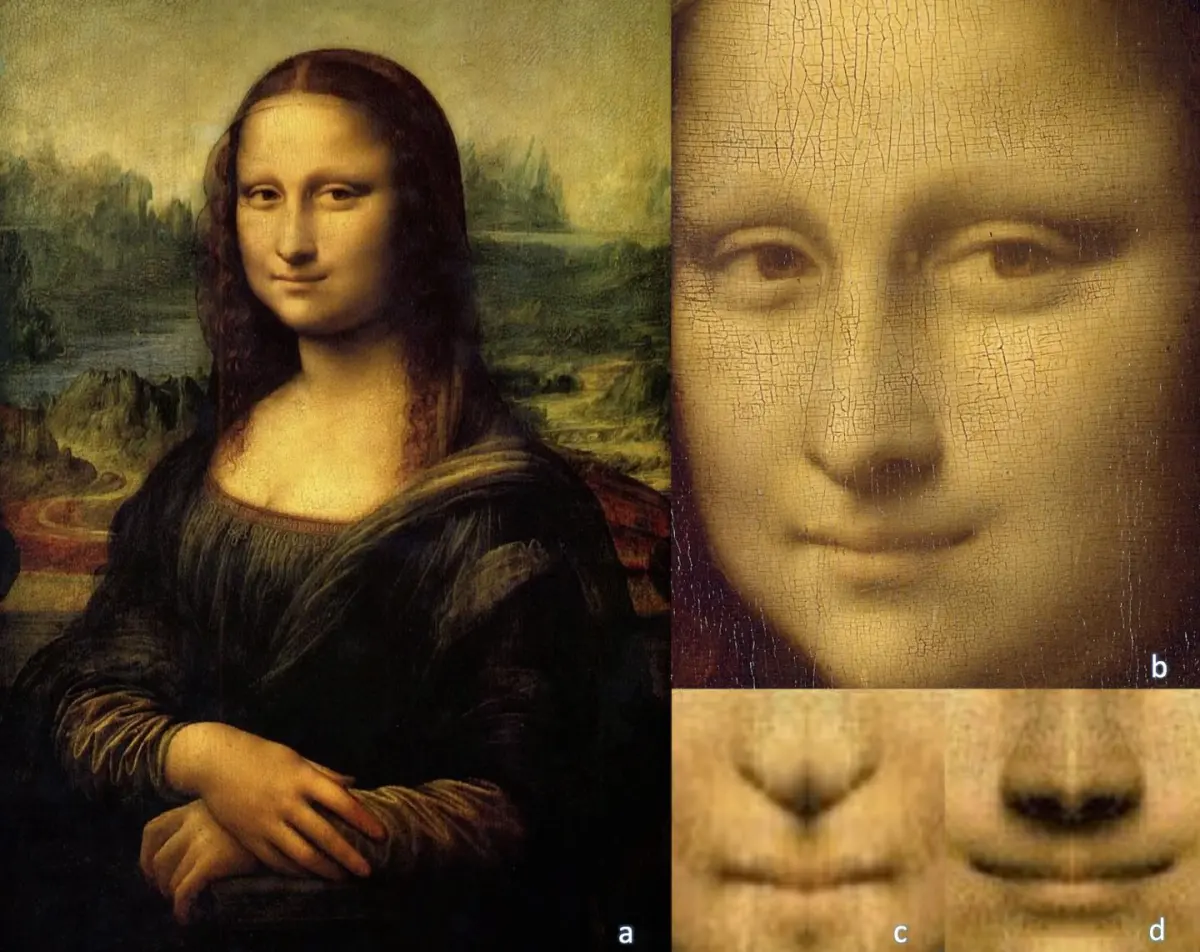
The current display is a sophisticated, high-tech enclosure known as a "climate-controlled box." It is constructed from ultra-clear, non-reflective, bulletproof glass that is several inches thick. This barrier is designed to withstand significant physical impact, including high-velocity projectiles or blunt force. Because the glass is chemically treated to minimize glare, visitors can still view the intricate details of the sfumato technique without visual obstruction.
The engineering behind the display focuses on three main protective pillars:
- Impact resistance: The glass is reinforced to prevent shattering during physical altercations.
- Climate stability: Internal sensors monitor humidity levels to prevent the wood from expanding or contracting.
- Chemical filtration: The sealed environment prevents pollutants, dust, and airborne contaminants from settling on the varnish.
- Sensors detect minute changes in the air composition inside the case.
- An automated system adjusts the humidity to keep the wood panel at a constant equilibrium.
- The glass remains locked and monitored by security systems 24 hours a day.
Who is responsible for the painting's safety?
The preservation of the Mona Lisa is managed by a dedicated team of conservators and security experts at the Louvre Museum. These professionals perform regular inspections of the painting’s surface, the frame, and the protective casing. Because the painting is over five centuries old, any movement or change in its environment is treated with extreme caution. The decision to keep it behind glass is a consensus reached by museum curators to balance public access with long-term conservation.
Security guards are stationed permanently in the room to monitor the behavior of the millions of tourists who visit annually. They are trained to identify suspicious activity and enforce strict rules regarding photography and proximity. By combining physical barriers with human surveillance, the museum creates a layered defense strategy. This ensures that even if a visitor manages to bypass one layer of security, the final barrier—the glass—remains an impenetrable wall between the public and the historical artifact.
What are the risks of removing the glass?
Removing the glass would expose the Mona Lisa to immediate and irreversible degradation. The most significant risk is the rapid change in relative humidity, which would cause the poplar panel to breathe and shift. Over time, this movement leads to the "craquelure" effect, where the paint layer cracks and separates from the support. Furthermore, the sheer volume of human breath and body heat in the crowded gallery would introduce moisture and carbon dioxide, both of which accelerate the chemical aging of the varnish.
Beyond environmental factors, the risk of human interference is statistically high given the painting's global fame. Throughout the 20th and 21st centuries, the work has been targeted by activists, disgruntled individuals, and those seeking notoriety. Removing the glass would effectively invite potential attackers to damage or destroy the work. For a piece of art that is considered irreplaceable, the risk-to-reward ratio of removing the glass is unacceptable to the international art community and preservationists.
Common mistakes when viewing the Mona Lisa
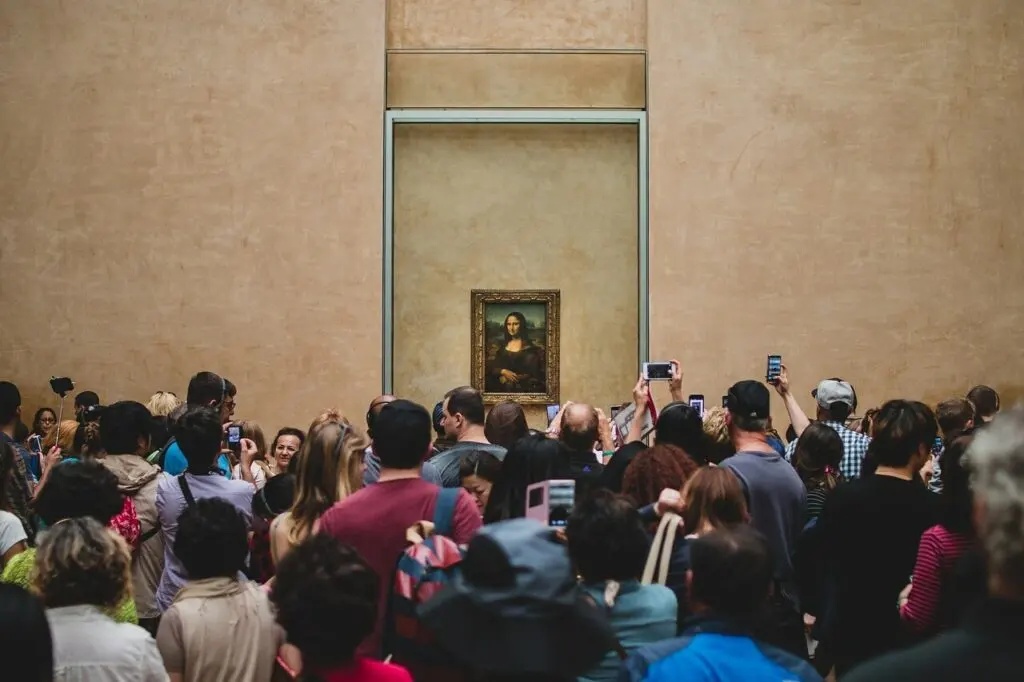
Many visitors fail to appreciate the painting because they focus solely on taking photographs rather than observing the work itself. Because the painting is small and kept behind thick glass, attempting to zoom in with a smartphone often results in glare or blurry images. Instead of fighting the reflection, spend time observing the subtle transitions of light and shadow on the subject's face. Understanding that the barrier is there for the painting's survival can help viewers appreciate the effort taken to keep it visible for future generations.
- Do not use flash photography, as it is prohibited and ineffective through the glass.
- Avoid pushing toward the front of the crowd, as this disrupts the flow and increases the risk of accidental contact with the barrier.
- Take a moment to look at the side of the display to see the thickness of the glass, which helps contextualize the level of protection required.
By following these simple steps, you can have a more meaningful experience while respecting the safety protocols that keep this historic treasure intact for the world to enjoy.
Key facts
- The Mona Lisa has been protected behind bulletproof glass since 1956 following a series of vandalism attempts.
- In 1956, a visitor threw acid at the painting, causing significant damage to the lower section.
- A rock thrown at the portrait in 1956 chipped a small speck of pigment near the subject's left elbow.
- The current enclosure is a climate-controlled, hermetically sealed case that maintains a constant temperature of 68°F (20°C).
- The glass is made of high-transparency, anti-reflective material designed to minimize glare for the millions of viewers who visit annually.
- Security sensors inside the casing monitor humidity and vibrations to detect any unauthorized physical contact or environmental shifts.
The bottom line
The Mona Lisa is housed behind bulletproof glass primarily to shield it from physical vandalism and environmental degradation. Since the mid-20th century, this protective measure has successfully prevented acid attacks and stone-throwing incidents. By maintaining a stable, climate-controlled micro-environment, the Louvre ensures that Leonardo da Vinci’s masterpiece remains preserved for future generations, balancing the necessity of public access with the demands of rigorous art conservation.
People also ask
Has the painting ever been stolen from the Louvre?
Yes, in 1911, an Italian handyman named Vincenzo Peruggia stole the painting by hiding in a closet overnight. It remained missing for two years before he was caught attempting to sell it in Florence.
How often is the protective glass cleaned?
Museum conservators clean the exterior of the glass daily to remove fingerprints and dust. The interior of the case is rarely accessed to ensure the painting remains in a stable, controlled environment.
Can visitors see the brushstrokes through the glass?
Visitors can see details, but the anti-reflective coating and the distance required for security can make fine brushwork difficult to discern. High-resolution digital scans are often better for studying the painting's texture.
Is the painting at risk of fading from light exposure?
The Mona Lisa is sensitive to light, which can cause pigments to degrade over time. The glass case helps filter out harmful ultraviolet rays that would otherwise accelerate the aging of the oil paints.
Why is the painting smaller than most people expect?
The Mona Lisa measures only 30 by 21 inches (77 by 53 cm). Many visitors are surprised by its modest size, as the fame of the portrait often leads people to expect a much larger canvas.
Does the glass cause reflections that obscure the view?
While the glass is specially treated to reduce glare, reflections are still common due to the intense lighting in the Salle des États. Moving slightly to the side often helps visitors find a clearer angle.
This answer was created with the help of AI research tools and reference sources. Spotted an error? Let us know — we correct mistakes quickly. See our editorial policy.