How do you get from YVR to downtown Vancouver?
Short answer
The most efficient way to travel from Vancouver International Airport (YVR) to downtown Vancouver is the Canada Line, a rapid transit train that takes approximately 26 minutes. Alternatively, you can hire a taxi, use a ride-hailing service like Uber or Lyft, or rent a car, all of which provide direct door-to-door service.

On this page
How to take the Canada Line SkyTrain
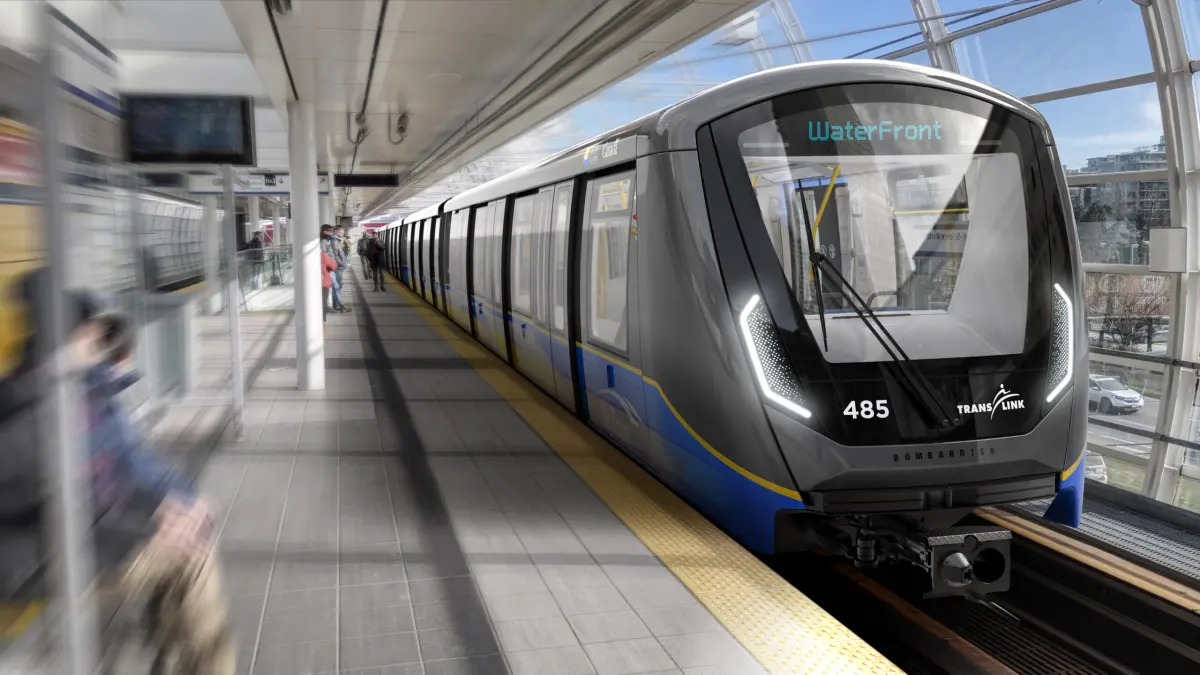
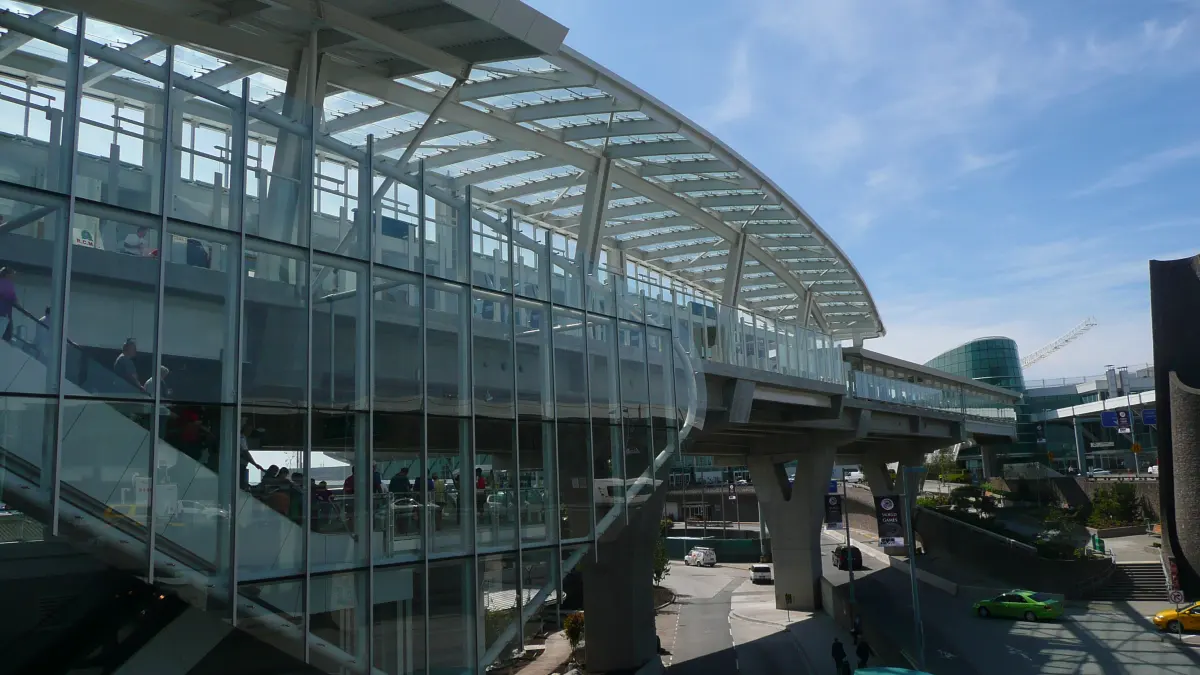
The Canada Line is the primary public transit link connecting YVR to the city center. The station is located between the International and Domestic terminals, easily accessible via clearly marked signs. Trains depart every 6 to 20 minutes depending on the time of day, operating from early morning until approximately 1:00 AM.
To use the service, you must purchase a ticket at the station vending machines. The fare includes a "YVR AddFare" surcharge for trips originating at the airport. You can pay using a contactless credit card, mobile wallet, or a reloadable Compass Card. Follow these steps to board:
- Follow the "Trains to Vancouver" signs from the arrivals hall.
- Purchase your ticket at the automated kiosks near the fare gates.
- Tap your card or ticket on the card reader at the gate to enter.
- Board the train heading toward Waterfront Station.
- Exit at Vancouver City Centre or Waterfront Station for downtown hotels.
How long does it take to get downtown
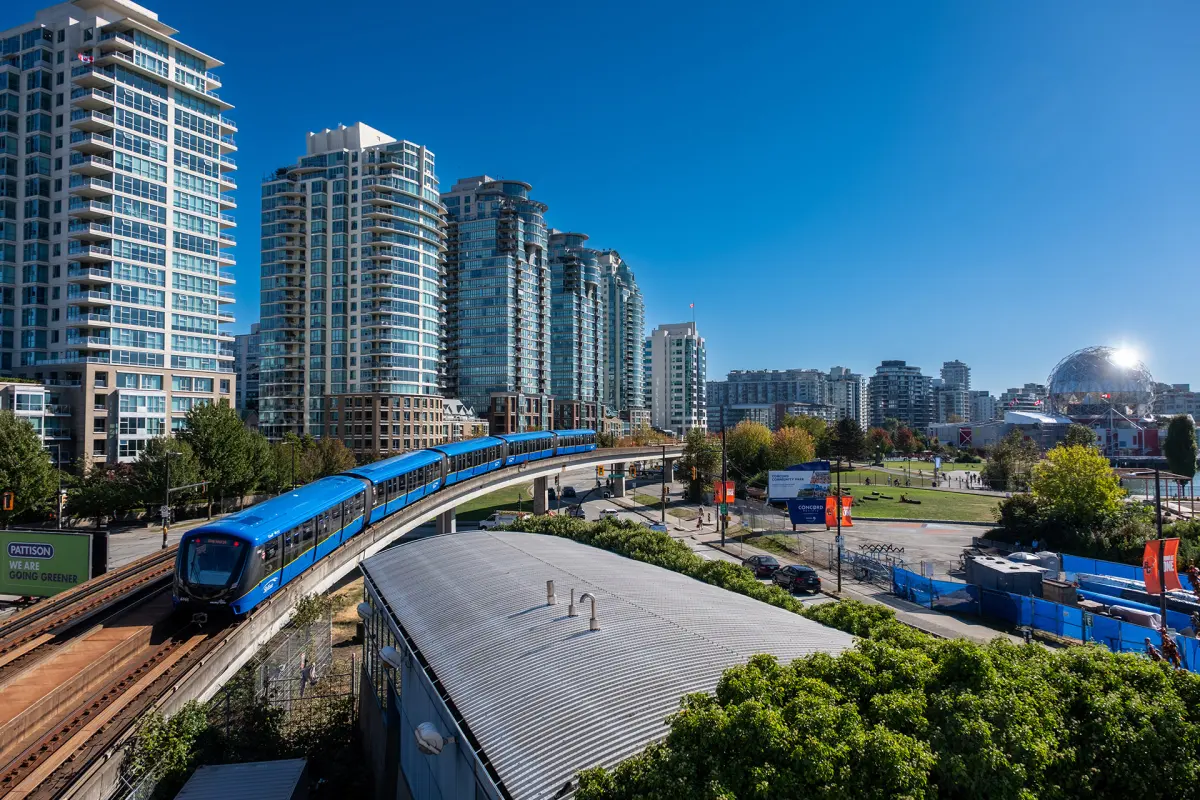
Travel time via the Canada Line is consistently 26 minutes from the airport to Waterfront Station. Because the train operates on a dedicated track separate from city traffic, it is immune to the congestion that often plagues local roads during morning and afternoon rush hours. This makes it the most reliable option for travelers on a strict schedule.
If you choose to travel by car, taxi, or ride-hail, the duration varies significantly based on traffic conditions. Under ideal conditions, the drive takes about 25 to 30 minutes. However, during peak hours—typically 7:00 AM to 9:00 AM and 3:00 PM to 6:00 PM—the commute can easily stretch to 45 or 60 minutes. Construction projects on the Arthur Laing Bridge or the Granville Street corridor can also cause unexpected delays. Always check a real-time traffic application before departing the terminal if you are relying on road transport.
Best transportation options for different needs
The best choice depends on your budget, luggage volume, and final destination. For solo travelers or couples with light luggage, the Canada Line is the most cost-effective and efficient choice. It drops you in the heart of the business district, where you can easily transfer to buses or walk to many major hotels.
For families, groups of four, or those carrying heavy gear, a taxi or ride-hailing app is often more convenient. These services offer door-to-door convenience, eliminating the need to navigate city streets with bags. Taxis operate on a zone-based flat rate for trips to downtown, providing price transparency. Ride-hailing services like Uber and Lyft use dynamic pricing, which can fluctuate based on demand. Consider these factors when choosing:
- Budget: Public transit is the cheapest option by a significant margin.
- Convenience: Taxis and ride-hails offer direct service to your hotel entrance.
- Luggage: The SkyTrain can be crowded, making it difficult to manage large suitcases during peak hours.
- Accessibility: All Canada Line stations and trains are fully wheelchair accessible.
Common mistakes when traveling from YVR
A frequent error is failing to understand the fare structure. Travelers often forget that the YVR AddFare is automatically applied to trips starting at the airport, which can lead to confusion if they expect the standard zone-one price. Additionally, some visitors attempt to pay with cash on the train itself, which is not possible. You must have a pre-purchased ticket or a contactless payment method ready before entering the platform.
Another mistake is assuming that all ride-hailing apps work the same way as they do in other countries. In Vancouver, you must specifically look for designated pick-up zones for ride-hailing services, which are located on Level 2 of the International and Domestic arrivals areas. Trying to meet a driver at the departures level or in the general public parking lot can result in cancelled rides and frustration. Always confirm your pick-up location in the app before heading outside to the curb.
Why you should avoid renting a car for downtown
Renting a car at YVR is often unnecessary if your primary destination is downtown Vancouver. The city center is highly walkable, and parking rates at hotels are notoriously expensive, often exceeding $40 to $60 per night. Furthermore, street parking is limited, strictly regulated, and subject to high hourly fees. Navigating the one-way streets and dense traffic of the downtown core can be stressful for visitors unfamiliar with local driving customs and cyclist priorities.
If you plan to explore the surrounding mountains or travel to Whistler, you might consider renting a car for only those specific days. Many rental agencies have offices downtown, allowing you to pick up a vehicle only when you actually need to leave the city. By relying on transit and walking while downtown, you avoid the logistical headaches of vehicle maintenance, fuel costs, and the search for expensive parking spaces. Focus on enjoying the city's vibrant neighborhoods rather than managing a vehicle in traffic.
Key facts
- The Canada Line SkyTrain connects YVR directly to downtown Vancouver in approximately 26 minutes.
- Trains depart every 6 to 20 minutes depending on the time of day and day of the week.
- You can pay for your fare using a contactless credit card, mobile wallet, or a reloadable Compass Card.
- A "YVR AddFare" of $5.00 is automatically added to single-ticket purchases made at the airport station.
- Taxis operate on a zone-based flat rate system for trips between the airport and downtown Vancouver.
- Ride-hailing services like Uber and Lyft are permitted to pick up passengers at designated airport zones.
The bottom line
The Canada Line SkyTrain is the most efficient, cost-effective, and reliable method for traveling from YVR to downtown Vancouver. By avoiding traffic and utilizing the direct rail link, passengers can reach the city center in under 30 minutes. For those with heavy luggage or late-night arrivals, taxis and ride-hailing apps provide convenient, albeit more expensive, alternatives that offer direct transport to your specific hotel or destination.
People also ask
How much does the SkyTrain cost from the airport to downtown?
A single-trip fare typically costs between $9.55 and $10.05 CAD, which includes the mandatory $5.00 YVR AddFare. If you use a Compass Card or contactless payment, the system automatically calculates the correct fare based on the distance traveled.
Where do I catch the SkyTrain at YVR?
The Canada Line station is located between the International and Domestic terminals. Follow the prominent "Canada Line" signs throughout the arrivals area to reach the elevated platform.
Can I use cash to buy a ticket at the station?
Yes, the ticket vending machines at the airport station accept cash, credit cards, and debit cards. However, using a contactless credit card or mobile device directly at the fare gate is often faster and avoids the need for a paper ticket.
Is the SkyTrain accessible for travelers with large luggage?
Yes, the Canada Line trains are designed with low floors and dedicated spaces for luggage. Elevators and escalators are available at all stations to ensure seamless movement from the terminal to the train.
How late does the train run at night?
The Canada Line typically operates from approximately 5:00 AM until 1:00 AM daily. If your flight arrives after the last train, you will need to take a taxi, ride-share, or pre-booked shuttle.
Are there shuttle buses that go to downtown hotels?
Most dedicated airport shuttle services have been replaced by the efficiency of the Canada Line. If you require door-to-door service, a taxi or private car service is the most reliable alternative to public transit.
This answer was created with the help of AI research tools and reference sources. Spotted an error? Let us know — we correct mistakes quickly. See our editorial policy.